Part of our Custom Skylight Design Service service
Skylights in a Conservation Area: What Is Allowed in Cheltenham?
How conservation area status affects rooflights, and why low-profile conservation rooflights are usually the answer.
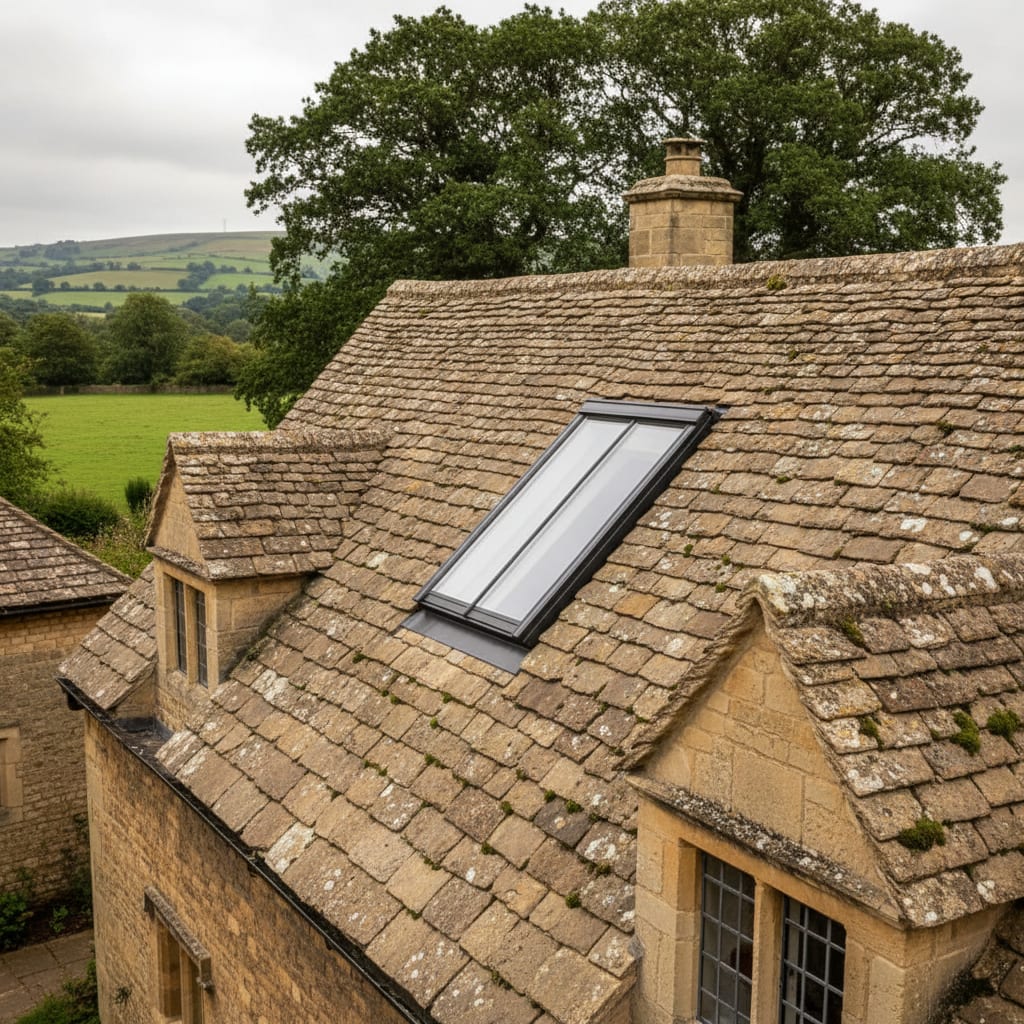
In a conservation area you can often still fit a skylight, but your permitted development rights may be restricted — especially on roof slopes facing the road — and a low-profile conservation rooflight is usually expected. Some installations will need planning permission. Always confirm your position with your local planning authority before work begins.
Conservation areas exist to protect the special character of a place: its streetscape, rooflines and historic detail. That does not mean no change is allowed — it means change should be sympathetic. Cheltenham has several conservation areas, and rooflights are entirely possible within them when handled with care.
Cheltenham is one of the most completely conserved Regency towns in the country, and that shapes everything about rooflights here. Large, well-known conservation areas cover Montpellier, Lansdown, the Park, Pittville and the Central area, taking in long runs of stucco-fronted terraces, detached villas and the elegant crescents the town is famous for. On many of these properties the roofline is an integral part of the architectural composition — shallow-pitched slate roofs set behind parapets, or steep slated slopes punctuated by chimneys — and the conservation officers at Cheltenham Borough Council pay close attention to anything that interrupts it. Beyond the town, the villages and countryside fall under Cotswold District, Tewkesbury Borough or Stroud District, each with its own conservation areas protecting stone-built cores such as Winchcombe, Bishop’s Cleeve and the Cotswold villages. The common thread is that the front, publicly visible slope is precious and the rear is usually where a rooflight belongs.
How conservation status changes the rules
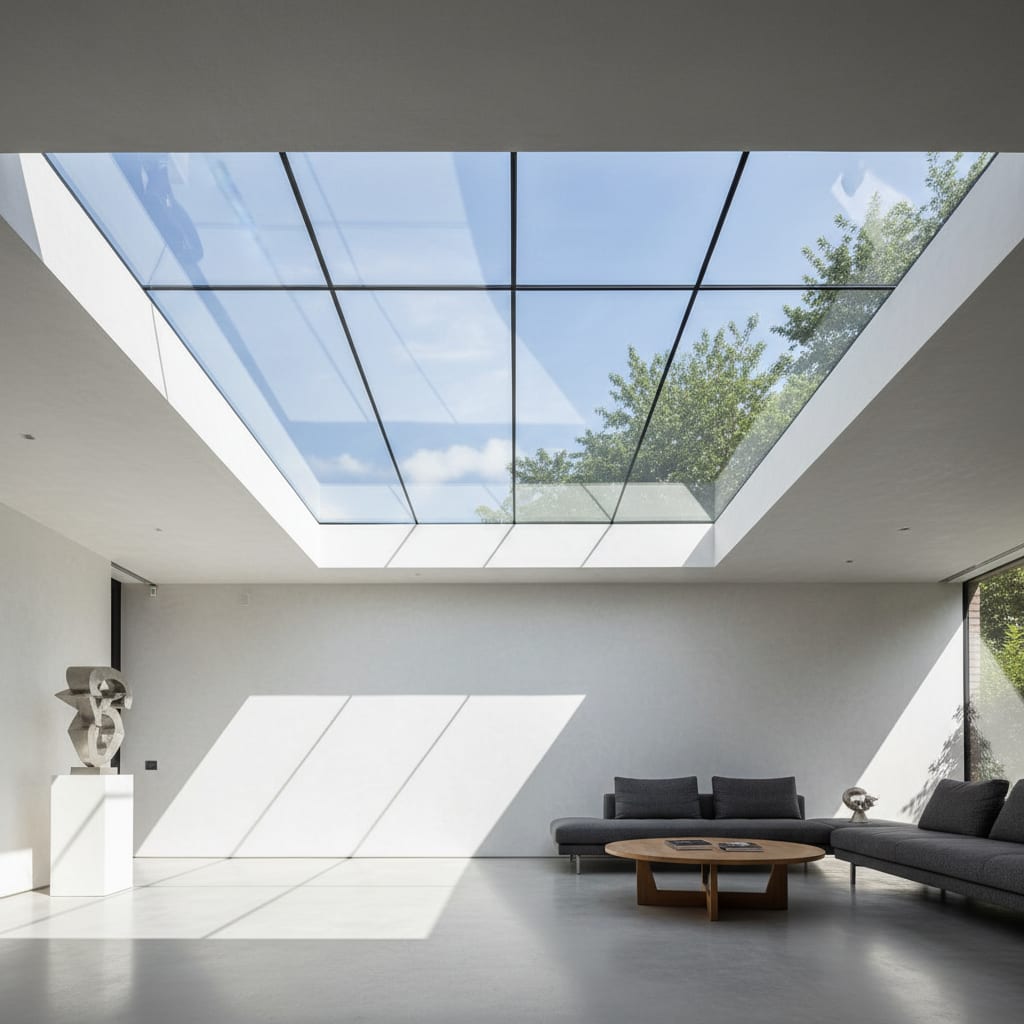
In a conservation area, the standard permitted development rights for rooflights can be tightened. The most common effect is on principal elevations and roof slopes facing a highway, where adding rooflights may need planning permission rather than being automatically permitted. Rear slopes that are not publicly visible are generally less sensitive.
It is also common for councils to expect rooflights that sit flush and low, preserving the clean line of the roof. A bulky unit that stands proud of the tiles is unlikely to be welcomed.
Two further local layers are worth knowing about. First, several Cheltenham conservation areas are also covered by Article 4 directions, which can remove permitted development rights that would otherwise apply — so even a modest rear rooflight may need an application in some streets. Our Article 4 directions guide explains how to check. Second, much of the wider Cotswold area sits within the Cotswolds National Landscape, where designated-land rules tighten householder rights further. Where conservation area status, an Article 4 direction and national-landscape designation overlap — which can happen on a single Cotswold-edge property — the safe assumption is that an application will be needed and a sympathetic design will be expected.
Why conservation rooflights are the usual answer
A conservation rooflight is designed specifically for sensitive roofs. It sits low in the roof, often with a slim central glazing bar and a low-profile frame that finishes close to the surrounding slates or tiles. The result echoes traditional cast-iron rooflights and keeps the roofline intact. For heritage streets, this is almost always the right choice, and it helps the installation stay within permitted development limits where they apply. See our conservation rooflight installation page for the detail.
The 150mm rule still helps
Where permitted development rights do apply, the same core limits matter: the rooflight must not project more than 150mm above the roof plane and must not sit higher than the ridge. A conservation rooflight comfortably meets this, which is one reason it suits these areas so well. Our 150mm rule guide explains how this works.
When you will likely need planning permission
- Rooflights on a roof slope facing a road or other public space.
- Larger or more prominent glazing that changes the appearance of the roof.
- Any case where the council has removed permitted development rights through an Article 4 direction.
- Properties that are also listed, which need listed building consent on top of planning — see rooflights in listed buildings.
A sensible approach for a conservation area
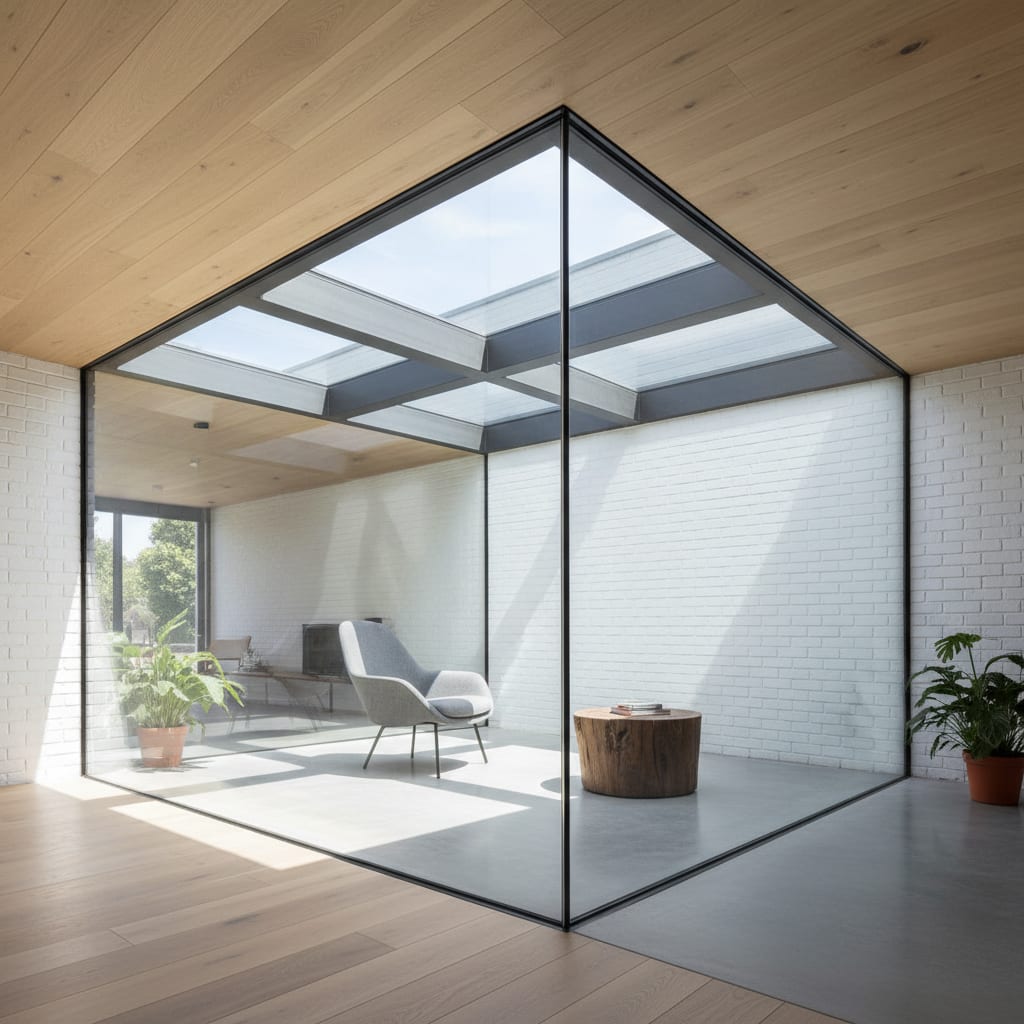
The smoothest path is usually this:
- Check your status first. Confirm with your local planning authority that you are in a conservation area and ask whether an Article 4 direction applies.
- Favour rear slopes. Where you have a choice, rooflights on the less visible rear of the roof attract less scrutiny.
- Choose a conservation rooflight. A flush, low-profile unit is the design most likely to be acceptable.
- Apply where needed. If permission is required, a sympathetic proposal stands the best chance of approval.
How local conservation officers tend to view rooflights
From the installations we carry out across the area, a few consistent themes emerge in how conservation teams locally approach rooflights. They strongly favour the slim, flush, black conservation rooflight with a central glazing bar over a bulky modern roof window, because it reads as a traditional metal rooflight rather than a plastic-framed insertion. They look hard at the elevation: a rooflight tucked onto a hidden rear or side slope is treated very differently from one proposed on a stucco-fronted Regency terrace facing the street. They consider grouping and rhythm — two neatly aligned rooflights usually sit more comfortably than a scattered handful. And on stone-roofed Cotswold properties they care about how the rooflight meets the surrounding slates or stone tiles, expecting a tidy, recessed junction rather than a raised kerb. None of this is a barrier; it is simply the design language that gets a sympathetic proposal through. We are happy to talk it through at survey and, where helpful, suggest the kind of details a conservation officer will want to see.
Building regulations still apply
As always, getting past the planning side does not remove the building regulations side. Your conservation rooflight will still need to meet Part L energy standards and Part K safety glazing, and may need building control sign-off. Planning and building regulations are separate systems.
How Aspect Skylights helps
We specialise in sympathetic rooflight installations and routinely fit low-profile conservation rooflights on period and character properties across Cheltenham, the Cotswolds and Gloucestershire — from Regency terraces in Montpellier and Lansdown to stone cottages in the surrounding villages. We install to the required standards, back our work with a written guarantee on our workmanship, and can guide you on what to check, but we are not a planning authority and do not claim to be approved or registered as one. Your local planning authority has the final say. Explore our services or get a quote after a free survey.
From quote to daylight, with no surprises
Fixed quote
A clear, fixed written price — online or by phone.
Survey
A specialist confirms the right glazing spec. Flexible times.
Install
Clean, weather-tight fitting that protects your property.
Guarantee
We tidy up and back the work with a written guarantee.
Frequently asked questions
Can I put a skylight in a conservation area?
Often yes, but your permitted development rights may be restricted, especially on road-facing slopes, and a low-profile conservation rooflight is usually expected. Some installations need planning permission, so confirm with your local planning authority first.
What is a conservation rooflight?
A conservation rooflight is a low-profile unit designed for sensitive roofs. It sits flush and low, often with a slim central glazing bar, echoing traditional rooflights and keeping the roofline intact.
Are rear rooflights easier to get approved?
Generally yes. Rooflights on the less visible rear slope of a roof attract less scrutiny than those on a slope facing the road or other public space.
Do I need planning permission in a conservation area?
Sometimes. Rooflights on principal or road-facing slopes may need planning permission, as may larger or more prominent glazing. An Article 4 direction can also remove permitted development rights. Check with your local authority.
Do conservation rooflights still need building regulations?
Yes. Conservation area status is a planning matter. Your rooflight will still need to meet Part L energy and Part K safety glazing standards, and may need building control sign-off.
Helpful reading on this
Costs, comparisons and answers to the questions we’re asked most.
Other skylight services
Ready to bring the daylight in?
Tell us about your project and we’ll send a clear, fixed written quote — no pressure, no surprises.
- Fixed written price before any work starts
- No pressure, no obligation, no sales calls
- Flexible survey times that suit you
- A reply within one working day