Part of our Custom Skylight Design Service service
Conservation Rooflights: Complete Guide (Listed & Cotswold Homes)
Daylight that respects a period roof — how conservation rooflights sit flush and low, why planners favour them, and what to know for listed and Cotswold homes around Cheltenham.
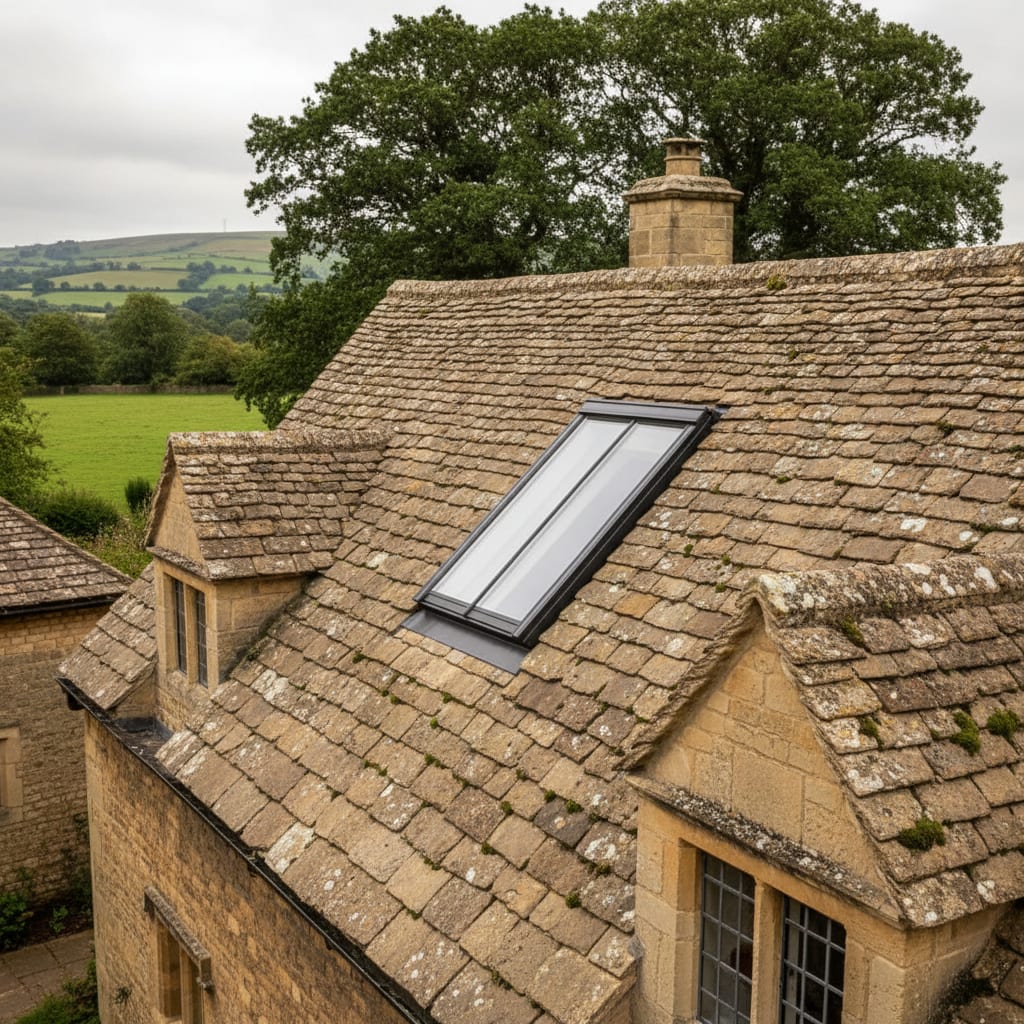
A conservation rooflight is designed to bring modern daylight into a period roof without spoiling its character. Where a standard roof window sits proud of the slope and reads as obviously contemporary, a conservation rooflight is slim, low-profile and fits almost flush with the tiles or slates, with a central glazing bar that echoes the traditional cast-iron rooflights of Victorian and Georgian roofs. The result is glazing that planners are far happier with, that looks right on a historic building, and that still gives you the bright, light-filled room you want inside. Around Cheltenham and the Cotswolds — rich in listed buildings and conservation areas — this is often not just the best choice but the only acceptable one.
This guide explains what a conservation rooflight is, why its design matters to planners, how listed building and conservation area rules apply, and what to expect on cost and process. Getting period roof glazing right is as much about permissions as products, so we cover both.
What a conservation rooflight is
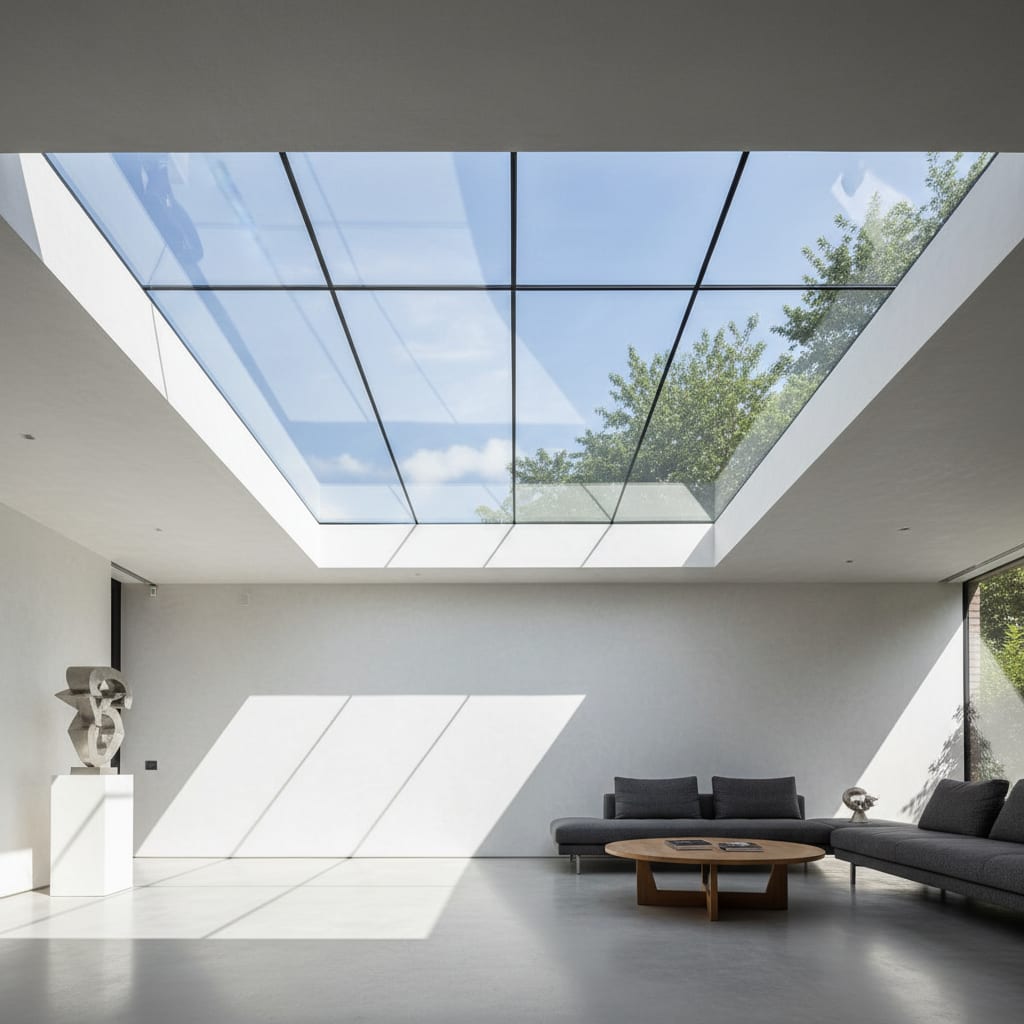
A conservation rooflight is a roof window engineered to sit low and flush within the roof plane, with a slim profile and traditional proportions. The defining features are:
- A low, flush fit: the unit is recessed so it sits close to the surface of the tiles or slates, rather than standing proud, keeping the roofline clean and unbroken.
- A central glazing bar: a vertical bar dividing the glass, recalling the two-pane look of historic cast-iron rooflights — a small detail that does a lot of work for authenticity.
- Slim, dark framing: typically a slender, low-profile frame in a dark or black finish that recedes against the roof, often in steel or a steel-look material in keeping with the originals.
- Period-sympathetic proportions: sizes and shapes chosen to suit traditional roofs, frequently taller than they are wide.
Functionally it is still a real rooflight — available fixed or opening, double glazed, and capable of giving a room excellent daylight. The difference is entirely in how it looks from outside, which is exactly what matters on a sensitive building.
Why the design matters to planners
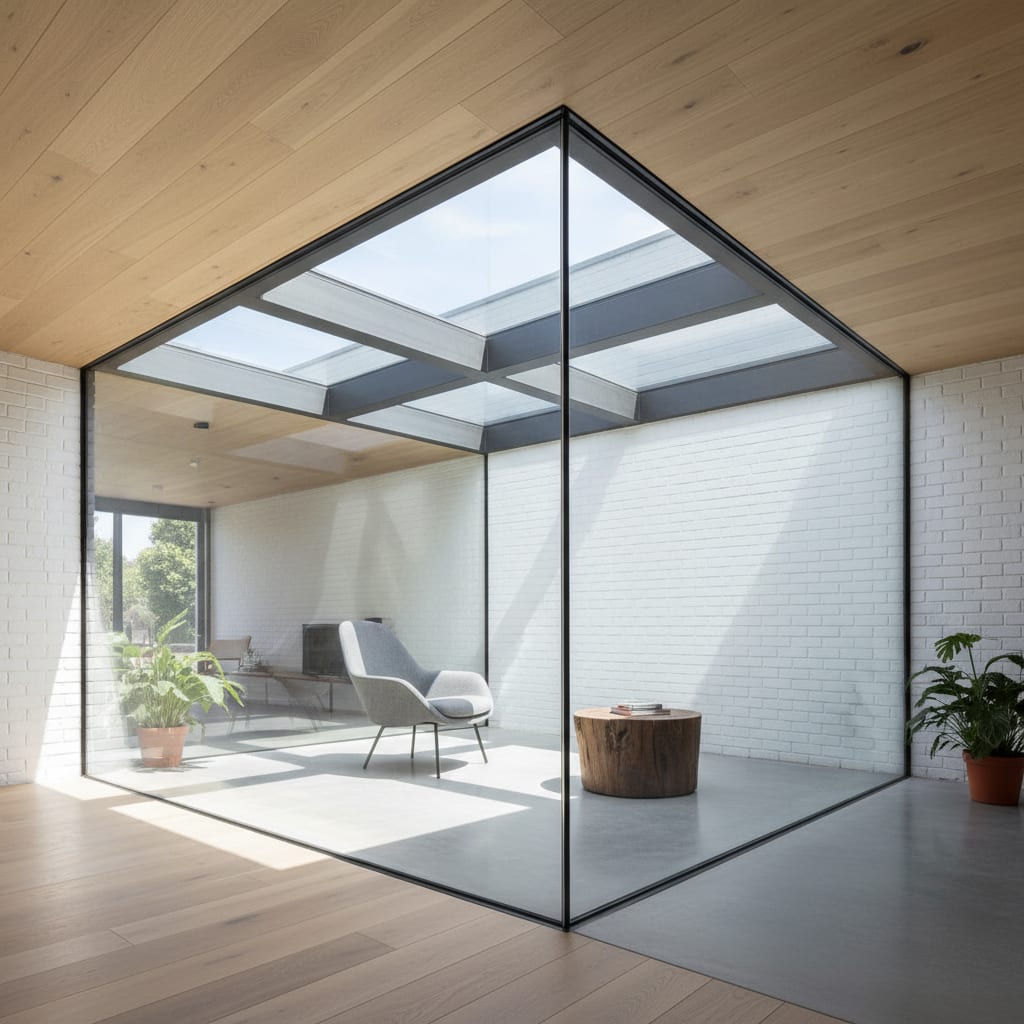
Planning authorities and conservation officers care about how alterations affect the character and appearance of historic buildings and areas. A standard roof window that projects above the slope can look incongruous on a Victorian terrace or a Cotswold stone cottage, interrupting the roofline and reading as plainly modern. A conservation rooflight, sitting flush and slim with its central bar, blends into the roof and respects its character — which is why planning policies frequently require this style on listed buildings and within conservation areas.
In practical terms, choosing a conservation rooflight from the outset often makes the difference between a straightforward approval and a refusal or a request to change the design. It signals to the planners that the alteration has been considered sympathetically.
When you need one
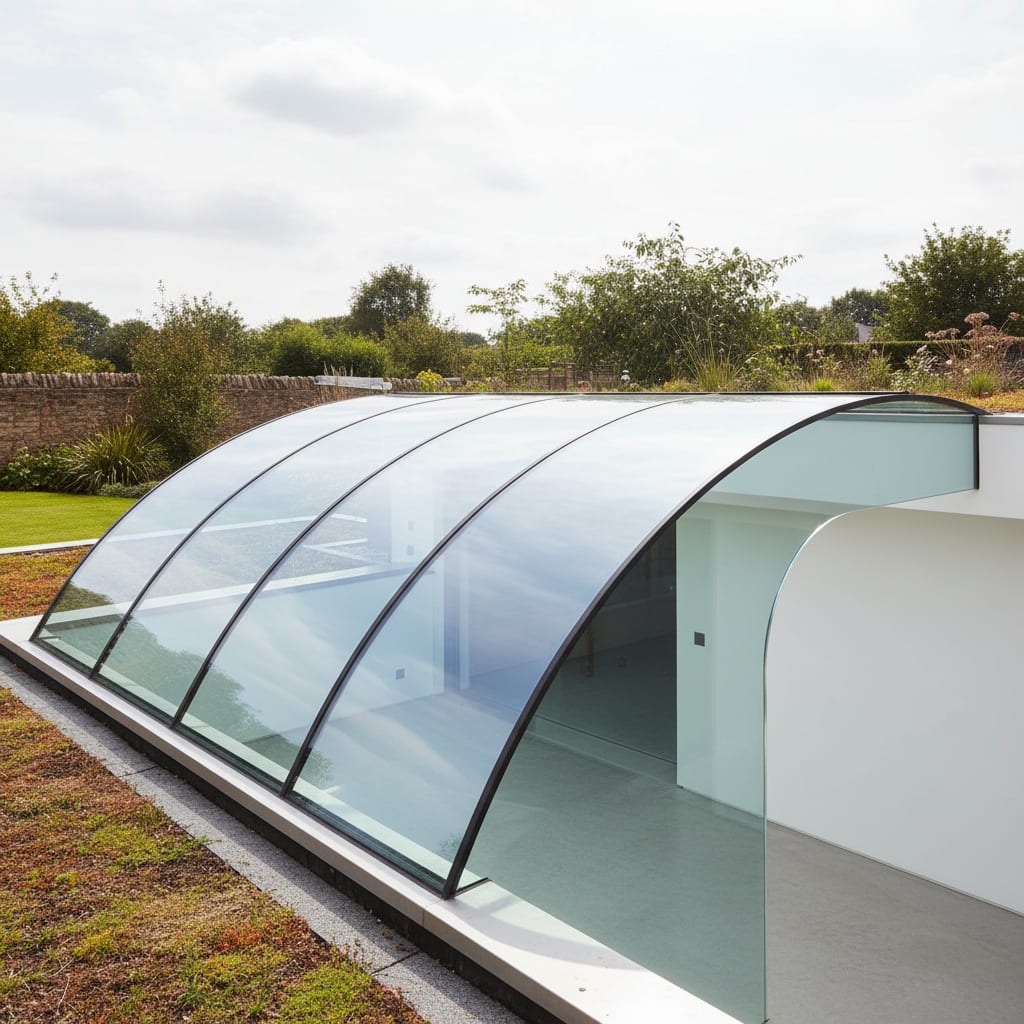
You should be thinking about a conservation rooflight if your property is:
- Listed: Grade I, II* or II — any external alteration, including a rooflight, is likely to need listed building consent, and the style will be scrutinised.
- In a conservation area: Cheltenham has several, and the Cotswolds are dotted with them; rooflights on prominent roof slopes typically need to be conservation-style and may need permission.
- A prominent period building: even where rules do not strictly require it, a conservation rooflight is the right aesthetic choice on a traditional roof you can see from the street.
On a hidden rear slope of a non-designated house, you may have more freedom, and a standard pitched roof window could be fine. But on anything visible or protected, conservation-style is the safe and respectful route.
Listed buildings and conservation areas: the rules
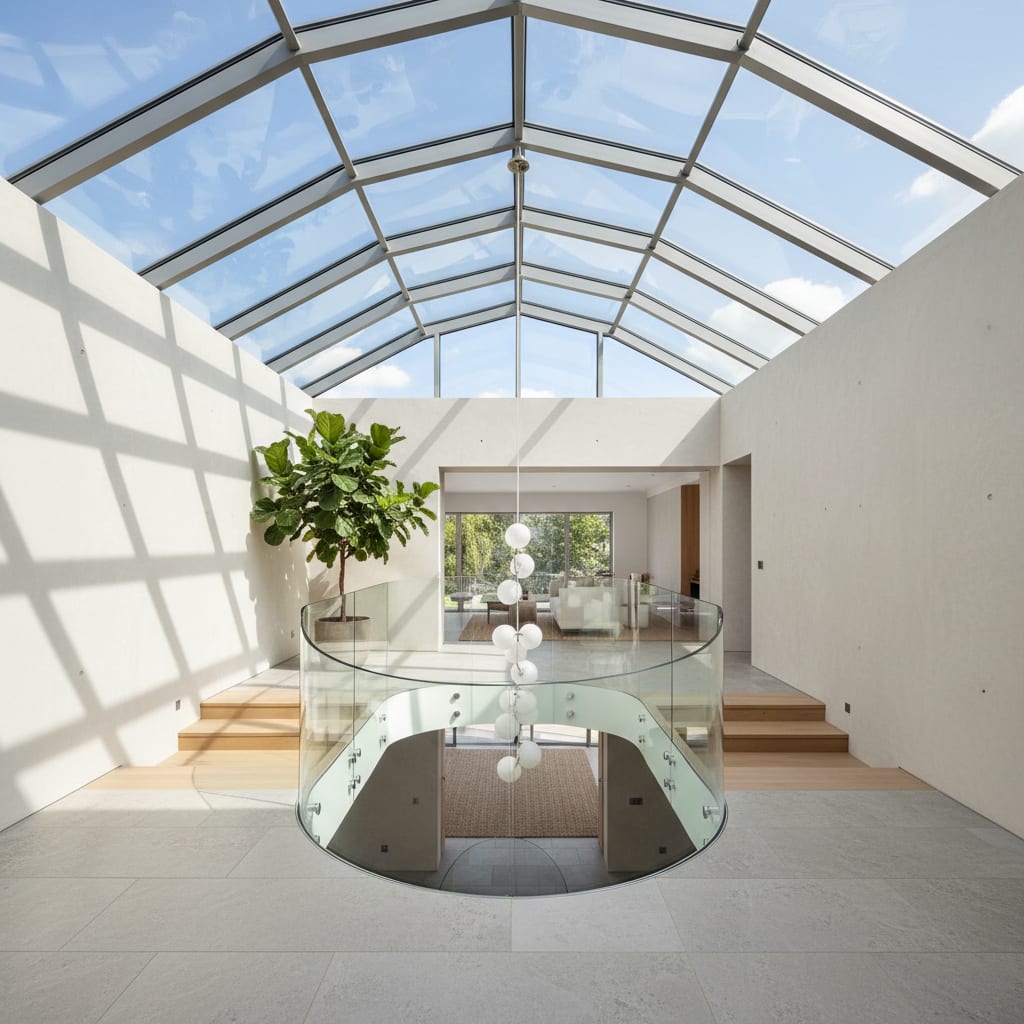
This is where period glazing needs care, so here is the shape of it:
- Listed building consent is generally required for alterations to a listed property, including adding or replacing rooflights. The local authority will expect a sympathetic design — almost always a flush conservation rooflight — and may control the size, position and number.
- Conservation area rules can restrict permitted development, so a rooflight that would be fine elsewhere may need planning permission here, particularly on a roof slope facing a road or public space.
- Position matters: planners often prefer rooflights on rear or concealed slopes, kept modest in size and aligned neatly.
- Replacement like-for-like: replacing an existing conservation rooflight with an equivalent is usually more straightforward than introducing new openings.
We are not a planning consultancy, but we know these products and roofs well and will steer you sensibly — flagging where consent is likely needed and specifying a rooflight that gives you the best chance of approval. For anything complex on a listed building, we would always recommend confirming requirements with the local conservation officer or a planning professional.
Installation on a period roof

Fitting a conservation rooflight to an old roof calls for a careful hand. The flush detail means the unit is recessed neatly into the slope and the surrounding slates or tiles are dressed back around it, with flashings detailed to suit the traditional covering — whether that is Cotswold stone slate, natural slate or clay tile. The aim is a crisp, watertight junction that looks as though the rooflight has always belonged. On older roofs we also check the condition of the surrounding structure and battens, since period timber can need attention. Our pitched roof skylight installation page covers the general method, which we adapt for the sensitivities of a historic roof.
Glazing and comfort
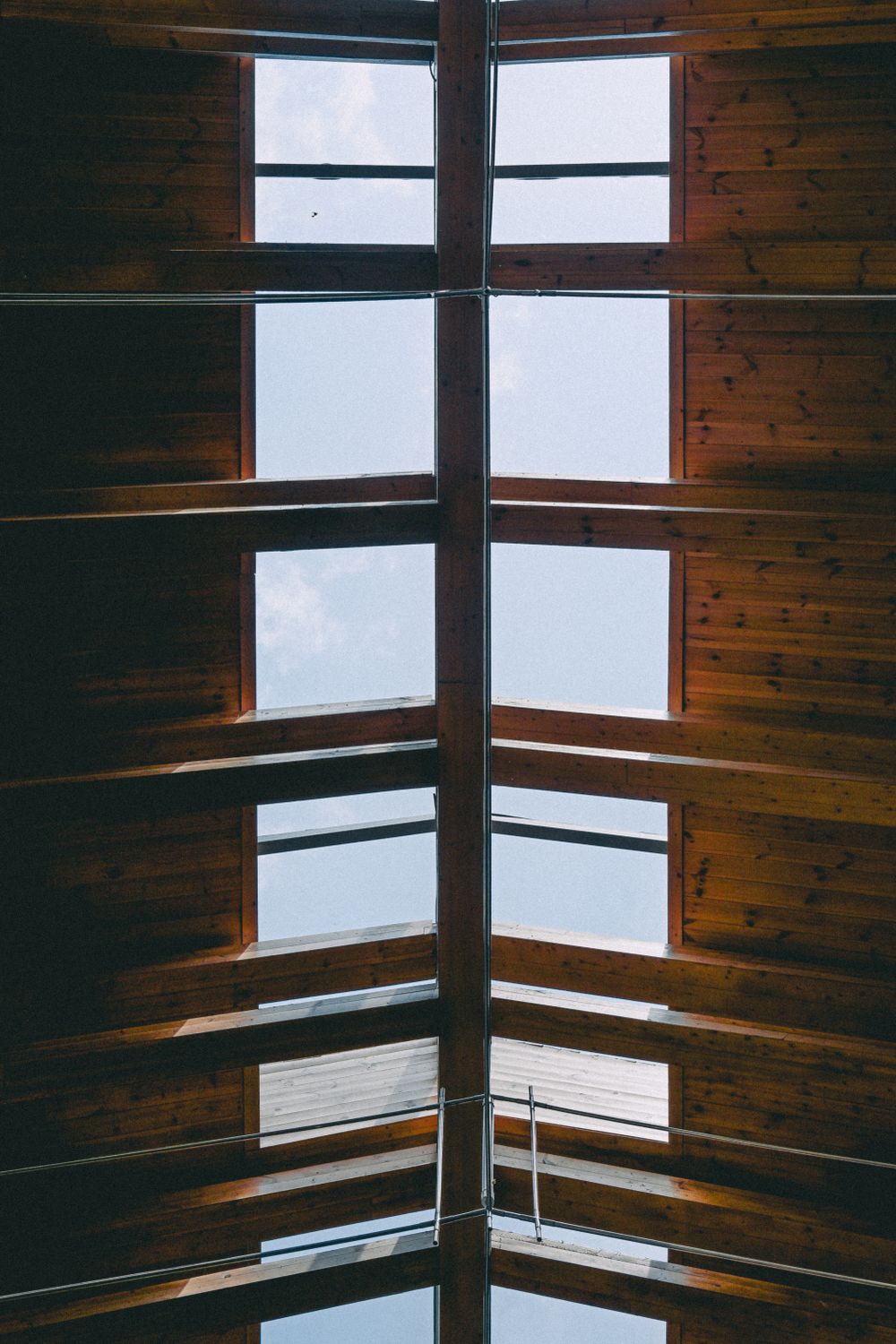
A conservation rooflight does not mean compromising on performance. Modern conservation units are double glazed and can be specified with energy-efficient and solar-control coatings, so a period room stays comfortable and reasonably efficient. This matters on traditional homes, which can be draughty and hard to heat — good glazing in the rooflight helps. Our energy-efficient skylight installation page explains the options, which apply just as well behind a traditional-looking frame.
Indicative cost

Conservation rooflights carry a modest premium over standard roof windows for their slim, recessed design and finish, and the careful fitting a period roof needs can add to labour. As an indicative 2026 guide, a conservation rooflight supplied and fitted typically falls in the £1,400–£3,000 range per unit depending on size, whether it opens, the roof covering and access, with larger or steel-framed heritage units higher. Work on listed buildings or awkward, fragile roofs can add to the figure. As always these are a steer only; the accurate price is a fixed written quote after a free survey, and any planning or consent fees are separate.
A local note for Cheltenham and the Cotswolds

Few places make the case for conservation rooflights better than Cheltenham and its surroundings. The town is renowned for its Regency and Victorian architecture, with extensive conservation areas covering Montpellier, Lansdown, Pittville, the Park, Tivoli and the Suffolks, and a great many listed buildings among its elegant terraces and villas. On these roofs, a flush conservation rooflight is very often what the planners expect — a way to light a loft or top-floor room without disturbing the celebrated streetscapes.
Out in the surrounding Cotswold villages — the honey-stone hamlets and conservation areas threaded through the hills around Cheltenham, from the edge of the AONB to the escarpment villages — traditional stone-slate roofs are a defining feature, and a slim, dark conservation rooflight sits far more comfortably on them than a bright modern window ever could. For cottages and barns under stone slate, matching the rooflight’s proportions and finish to the roof is what keeps the alteration sympathetic. In all these settings, planning the rooflight style early — and on a discreet slope where possible — smooths the whole process.
Next steps
If your home is listed, in a Cheltenham conservation area, or simply a period property whose roof deserves respect, a conservation rooflight lets you have the daylight without the discord. The key is to plan the style and position early, confirm any consent needed, and specify a unit that satisfies both the planners and the room below.
For the fitting detail, see our pitched roof skylight installation page; for the glass that keeps a period room comfortable, our energy-efficient skylight installation page; and for bespoke heritage solutions on unusual roofs, our custom skylight design service. When you are ready, get a quote and we will assess your roof, advise on the right conservation rooflight and likely permissions, and give you a fixed written price after a free survey — backed by our written guarantee on our workmanship.
From quote to daylight, with no surprises
Fixed quote
A clear, fixed written price — online or by phone.
Survey
A specialist confirms the right glazing spec. Flexible times.
Install
Clean, weather-tight fitting that protects your property.
Guarantee
We tidy up and back the work with a written guarantee.
Frequently asked questions
What is a conservation rooflight?
It is a roof window designed to sit low and flush within a period roof, with a slim, dark frame and a central glazing bar that echoes traditional cast-iron rooflights. It brings modern daylight into a historic roof without spoiling its character, which is why planners favour it.
Do I need a conservation rooflight on a listed building?
Almost always on a listed property a sympathetic, flush conservation-style rooflight is expected, and listed building consent is generally required for the alteration. The planners may control its size, position and number. We advise on the right style and likely consent at survey.
Are conservation rooflights required in a conservation area?
Often, particularly on roof slopes visible from a road or public space. Conservation area rules can restrict permitted development and require a conservation-style rooflight. Cheltenham has several conservation areas, and many Cotswold villages too, so we flag what is likely needed.
Can a conservation rooflight open and be double glazed?
Yes. They are available fixed or opening and are double glazed, and can take energy-efficient and solar-control coatings. The traditional look is purely external — inside you still get a modern, comfortable, well-performing rooflight.
How much do conservation rooflights cost?
They carry a modest premium over standard roof windows. As an indicative 2026 guide a conservation rooflight supplied and fitted is often in the £1,400–£3,000 range per unit depending on size, opening, roof covering and access. The accurate price is a fixed written quote after a survey, with any consent fees separate.
Do you handle the planning for a listed building rooflight?
We are installers rather than a planning consultancy, but we know these products and period roofs well and will steer you sensibly, specifying a rooflight that gives the best chance of approval. For listed buildings we recommend confirming requirements with the local conservation officer or a planning professional.
Helpful reading on this
Costs, comparisons and answers to the questions we’re asked most.
Other skylight services
Ready to bring the daylight in?
Tell us about your project and we’ll send a clear, fixed written quote — no pressure, no surprises.
- Fixed written price before any work starts
- No pressure, no obligation, no sales calls
- Flexible survey times that suit you
- A reply within one working day