Pitched Roof Skylight Installation in Cheltenham & Gloucestershire
Specialist pitched-roof skylight and roof window installation across Cheltenham, Gloucestershire and the Cotswolds — including conservation rooflights for period and listed homes.

A pitched-roof skylight — more often called a roof window — sits in line with a sloping roof, glazing it without altering its shape. It is the classic way to flood a loft, a loft conversion or any room with a sloping ceiling with angled daylight, and on a pitched roof it is almost always the right answer. At Aspect Skylights Cheltenham we are skylight and rooflight specialists serving the whole of Gloucestershire, and pitched-roof installation is core work for us — from contemporary roof windows on modern homes to discreet conservation rooflights on the period and listed properties that fill Cheltenham and the Cotswolds.
This page sets out what a pitched-roof skylight is, why a specialist is worth using, the options available including conservation rooflights, how the glazing controls light and heat, what the installation involves, where building regulations and planning sit, and what you can expect to pay. Because the Cotswolds is so rich in period property and conservation areas, we give particular attention to how a roof window sits on a traditional slate or tile roof — both technically and visually.
What is a pitched-roof skylight?
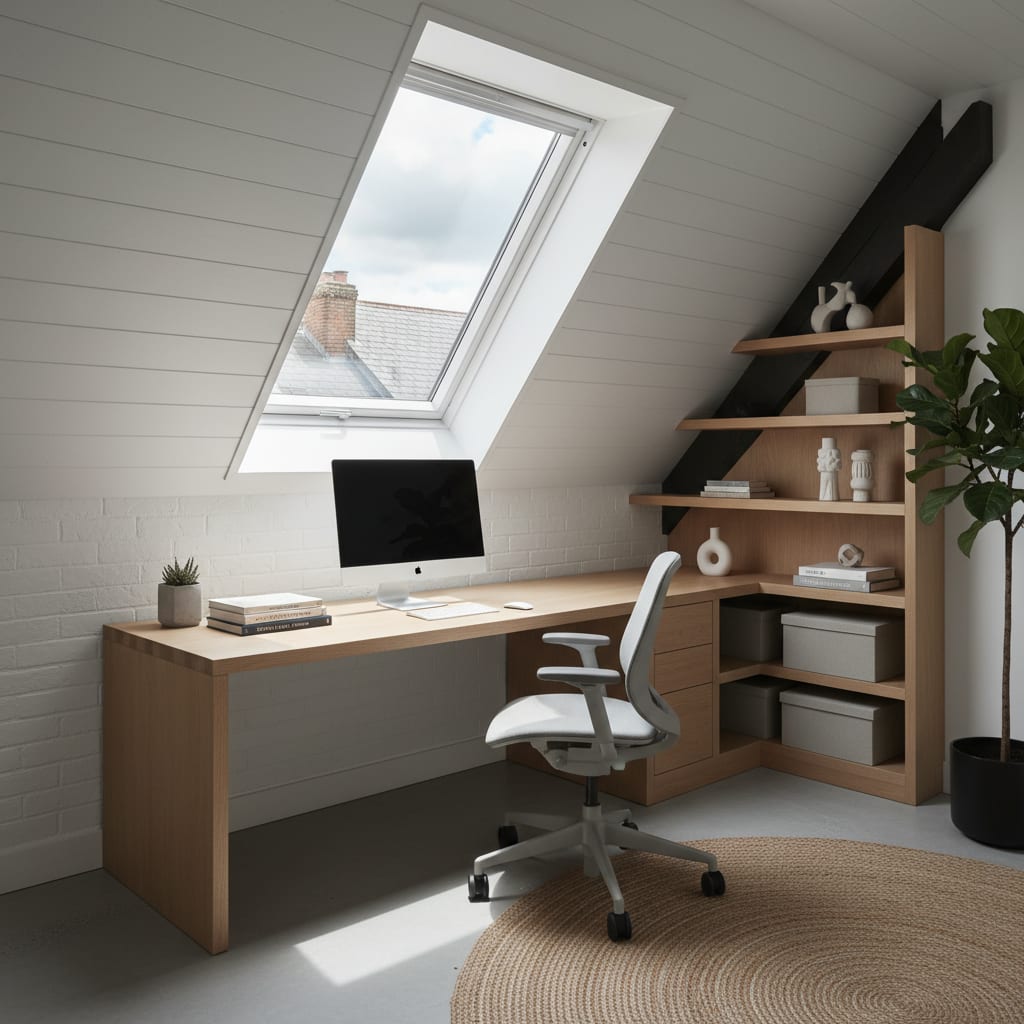
A pitched-roof skylight, or roof window, is a glazed unit set into a sloping roof so that it lies flush with the slope and sheds water down the pitch. Rather than rising on a kerb the way a flat-roof rooflight does, it sits between the rafters in line with the tiles or slates, weatherproofed with a flashing kit matched to the roof covering. The familiar VELUX-style centre-pivot and top-hung windows are exactly this kind of unit.
Roof windows are the standard way to light any room under a pitched roof: lofts, loft conversions, upstairs bedrooms with sloping ceilings, and the dormer-and-slope spaces common in older homes. They angle daylight down into the room, often reaching deep into the space, and the opening versions provide excellent ventilation as rising heat escapes through the roof. If you are unsure whether you need a roof window or a flat-roof rooflight, it comes down to your roof — our guide to roof window vs skylight vs rooflight explains the terms.
Why use a pitched-roof skylight specialist
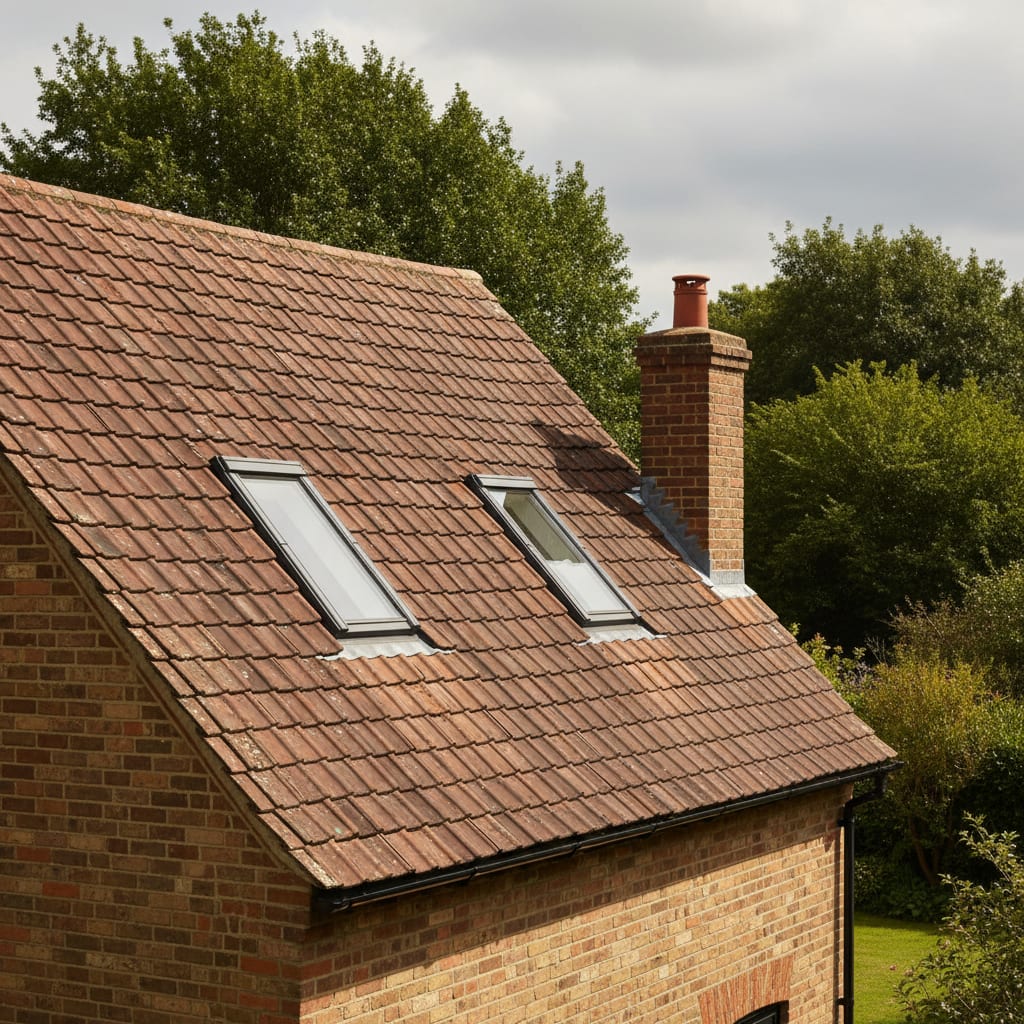
Fitting a roof window into a slope means cutting into a working, weatherproof roof and then making it watertight again — around a unit that has to shed rain down the pitch and resist driven rain at the sides and head. The flashing kit has to be the right type for your tile or slate and dressed in correctly, the unit has to sit true between the rafters, and on older roofs the timbers and the covering need handling with care. This is where focused experience tells. We fit roof windows constantly, so the cut, the flashing and the make-good are done cleanly and stay dry.
That specialism matters even more on the period and listed property Cheltenham and the Cotswolds are known for. A standard roof window can look wrong on a traditional slate roof, and on a listed building or in a conservation area it may not be permitted at all. We know when a low-profile conservation rooflight is the right call, how to detail it so it sits flush and unobtrusive, and how local restrictions apply. We survey the actual roof, advise with an architect’s eye, and give a fixed written price.
Types of pitched-roof skylight
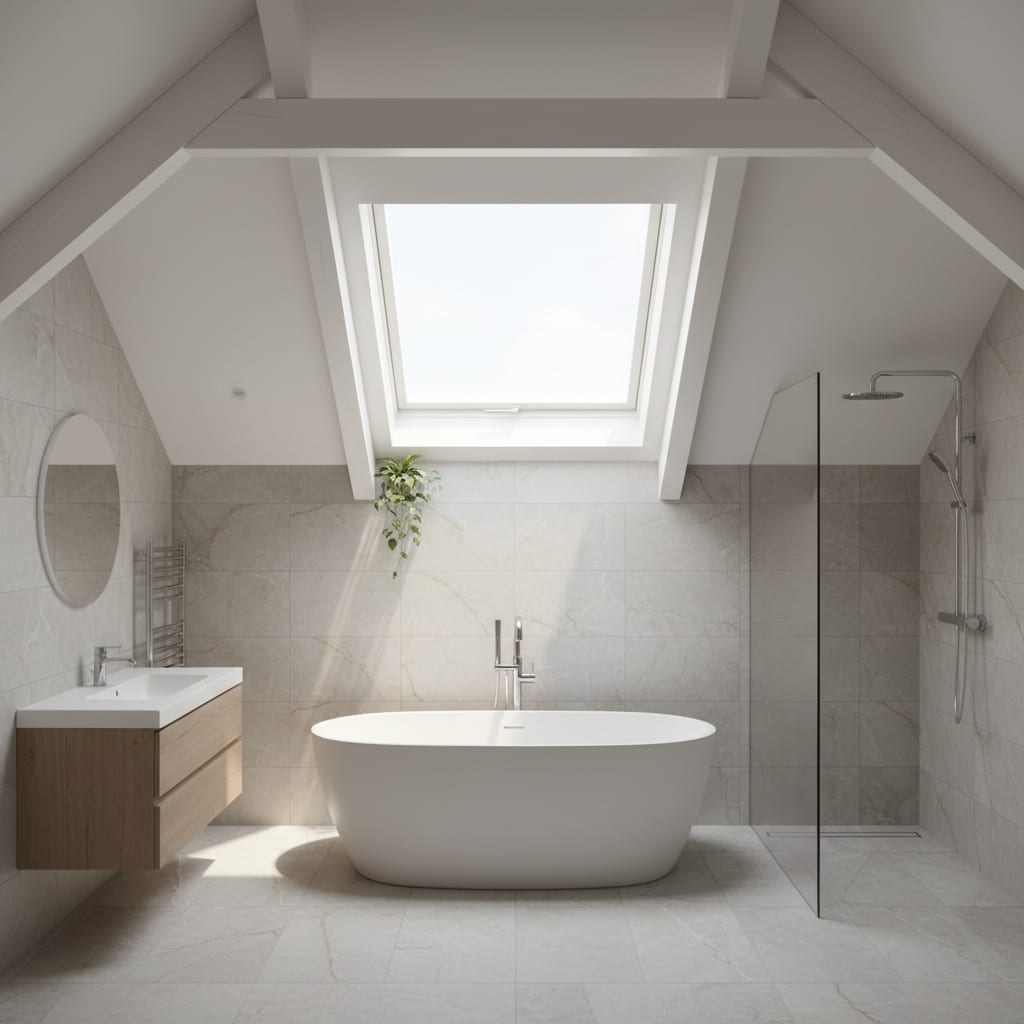
There is more choice on a pitched roof than many people expect.
Centre-pivot roof windows
The most common type: the window pivots on a central hinge, easy to operate and to clean. A versatile, value-for-money choice for lofts and sloping-ceiling rooms. See our VELUX window installation page for the best-known example.
Top-hung roof windows
Hinged at the top so the whole sash swings outward, giving a clearer view and unobstructed headroom — ideal where the window is at eye level in a loft conversion, or where you want to lean out.
Conservation rooflights
Slim, low-profile windows with a central glazing bar and a dark, recessed finish that sits flush with the roof, echoing the cast-iron rooflights of period buildings. These are the right choice for traditional, period and listed homes, and often the only acceptable option in a conservation area. Our conservation rooflight installation page covers them fully — essential reading for Cotswold-stone and Regency property.
Fixed and opening options
Roof windows can be fixed (daylight only) or opening, with manual, electric or solar operation and rain sensors on the powered versions. Opening windows are especially valuable in a loft, where they release rising heat in summer.
Frame materials and finishes

Most modern roof windows use a strong core with a maintenance-friendly exterior. The two common interior finishes are white-painted timber, which suits most decor, and natural lacquered pine, which gives a warmer, traditional feel well suited to a loft or a period home. Externally the unit is clad to resist the weather and need little upkeep. Conservation rooflights typically use a slim steel or aluminium-look profile with a dark finish to echo the originals.
The flashing kit is chosen to match your roof covering — plain tile, interlocking tile, or slate — and is what makes the watertight junction between window and roof. Matching the flashing correctly is one of the details a specialist gets right every time. We will recommend the finish and flashing that suit your roof and your interior at survey.
Glazing: light, heat and Part L
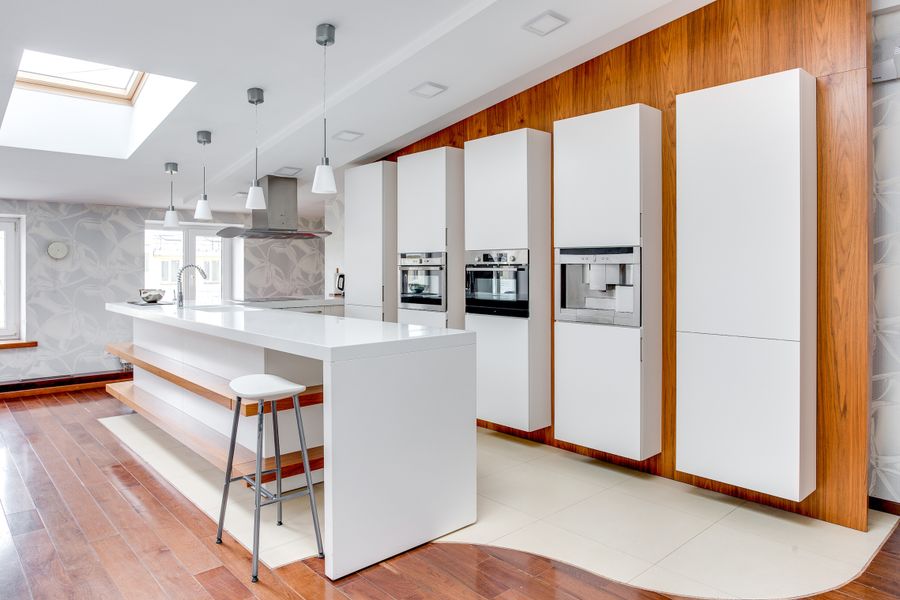
A roof window faces the sky at an angle, so it gathers generous daylight; with that comes solar gain in summer and heat loss in winter to manage, and the glazing is where you manage them.
Roof windows come double glazed as standard, the sensible baseline for most rooms, and triple glazing is available where extra insulation or sound reduction is wanted — useful in a bedroom loft or under a flight path. For a sunny, south-facing loft the most valuable upgrade is usually a solar-control coating, which keeps the room comfortable without sacrificing light; lofts can heat up quickly, so this is often money well spent. An opening window adds genuine ventilation, letting that built-up heat escape through the roof — a simple and effective combination in a loft.
The glazing must meet the thermal requirements of Part L of the Building Regulations (a maximum U-value for the unit), and quality roof windows are designed to comply; we specify to the current standard as a matter of course. We talk through light versus heat and ventilation for your room and recommend the glass and operation that genuinely suit it.
The installation process
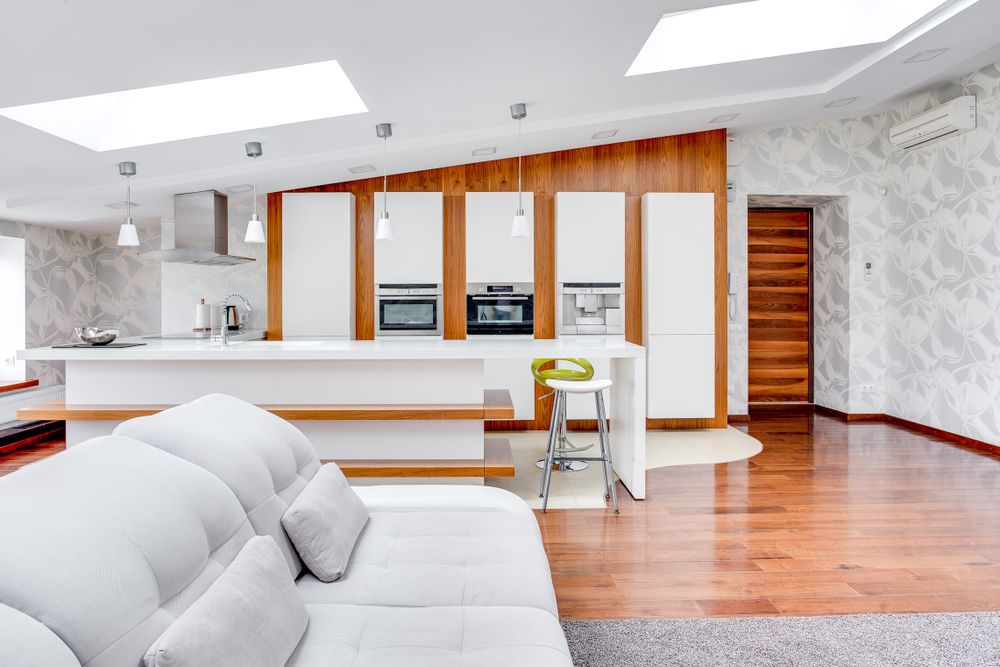
A pitched-roof installation is precise work on a live roof. Here is how ours go.
1. Free survey and fixed quote
We assess the roof structure, covering and rafter spacing, discuss the window type, finish, glazing and operation, and — on period or conservation property — advise whether a conservation rooflight is the right route. You then receive a fixed written quote.
2. Forming the opening
We carefully remove the tiles or slates and form the opening between the rafters, trimming where needed while keeping the roof structure sound. On older roofs this is done with extra care for the existing timbers and covering.
3. Fitting the window and flashing
We set the roof window true in the slope and install the flashing kit matched to your covering, dressing it in so water sheds down and around the unit. Getting the flashing right is the heart of a watertight pitched installation.
4. Internal lining and finishing
We form and finish the internal reveal — often splayed to throw light into the room — make good the surrounding tiles or slates, and check the unit operates smoothly and is fully weathertight. We leave the site tidy and show you how it works.
Most single roof window installations are completed in a day or so, depending on access, the covering and whether internal lining is included. For loft projects specifically, see our pages on loft conversion skylight installation and the best rooflights for a loft conversion.
Building regulations and planning

Most pitched-roof skylight installations fall under permitted development, but the conditions and the local context matter a great deal in this part of the country.
Permitted development and the 150mm rule
Under permitted development, a roof window generally must not project more than 150mm above the existing roof plane, and must not sit above the highest part of the roof. Roof windows sit flush in the slope, so they comply easily — this is one of their advantages over raised features. If your home has already used its permitted development allowance through previous work, that can change the picture.
Conservation areas and listed buildings
This is where pitched-roof work needs real local knowledge. Central Cheltenham has extensive conservation areas, and the Cotswold villages around Winchcombe, Cirencester, Stroud and Tewkesbury are full of conservation designations and listed buildings. On a roof slope visible from the street, permitted development rights are often restricted, and a standard roof window may not be acceptable — a conservation rooflight, sitting flush and discreet, is usually the answer. Listed buildings nearly always require listed building consent. We are familiar with these constraints and will advise at survey what is likely to be allowed.
Part L and Part K
Part L sets the thermal standard for the glazing, and Part K covers safety, including guarding and the type of glass where there is a risk of falling. We specify to both as standard. Where a roof window forms part of a wider loft conversion, the conversion itself is notifiable building work; we will make clear what applies to your project.
Indicative cost of pitched-roof skylight installation

Cost depends on the type and size of window, the glazing and operation, the roof covering, access and whether internal lining is included. As an indicative 2026 guide, a quality roof window supplied and fitted often falls in the region of £1,000 to £2,500, with conservation rooflights, electric or solar opening, and triple glazing running higher, and multiple windows fitted together sometimes working out more economical per unit.
These figures are a guide only. The real price is a fixed written quote after a free survey, because the roof, the covering and the specification all affect it. A well-placed roof window in a loft is also one of the more reliable ways to add usable, light-filled space — our page on whether skylights add value looks at that, and our best skylight for a flat-roof extension guide helps if your project is flat rather than pitched.
Pitched-roof skylight installation across Cheltenham & Gloucestershire
We install pitched-roof skylights throughout the county. In Cheltenham we work on loft conversions and roof windows across Leckhampton, Charlton Kings, Prestbury, Up Hatherley and the town centre — including a good deal of period and conservation-area property where conservation rooflights are the right choice. Across Gloucestershire we cover Gloucester, Cirencester, Tewkesbury, Stroud, Bishop’s Cleeve and Winchcombe, together with the Cotswold-stone villages in between.
Local roofs vary enormously, and the right window varies with them. A contemporary roof window suits a modern loft conversion in Bishop’s Cleeve, while a slim conservation rooflight is far more appropriate on a Cotswold-stone cottage near Winchcombe or a Regency home in central Cheltenham. We match the window, finish and flashing to the roof and its setting, and flag any conservation or listing constraints early. See our areas we cover page for more on where we work.
Why choose Aspect Skylights Cheltenham
Cutting into a pitched roof and making it watertight again is precise, specialist work — and on the period and listed property so common locally, it also takes real sensitivity to what suits the building and what the rules allow. Because we focus on skylights and rooflights, our cuts, flashing and make-good are done cleanly and stay dry, and we know when a conservation rooflight is the right answer rather than a standard window. We fit new roof windows and carry out full replacements for homes and commercial premises across Cheltenham, the Cotswolds and the wider county, with a free survey, a fixed written quote and our written guarantee on our workmanship every time.
We will give you honest, architect’s-eye advice on the right window, finish and glazing for your roof and your room — including a straight steer on conservation requirements — without hype. To see the full range, visit our services overview, and when you are ready, get a quote for a fixed written price after a free survey.
From quote to daylight, with no surprises
Fixed quote
A clear, fixed written price — online or by phone.
Survey
A specialist confirms the right glazing spec. Flexible times.
Install
Clean, weather-tight fitting that protects your property.
Guarantee
We tidy up and back the work with a written guarantee.
Frequently asked questions
What is the difference between a roof window and a flat rooflight?
A roof window is set into a pitched (sloping) roof in line with the slope, weatherproofed with a flashing kit. A flat rooflight sits on a kerb on a flat or very low-pitch roof. Your roof type decides which you need: a slope takes a roof window, a flat roof takes a rooflight. We confirm at survey.
How much does a roof window cost to install in Cheltenham?
As an indicative 2026 guide, a quality roof window supplied and fitted often falls in the region of £1,000 to £2,500, with conservation rooflights, powered opening and triple glazing running higher. The real price is a fixed written quote after a free survey, as roof and specification vary.
Do I need a conservation rooflight for my period home?
Often yes. On period, traditional and listed homes — common across Cheltenham and the Cotswolds — a slim, low-profile conservation rooflight sits flush with the roof and echoes the original cast-iron style. In many conservation areas it is the only acceptable option. We advise on this at survey.
Do I need planning permission for a roof window?
Most roof windows fall under permitted development, as they sit flush in the slope and project less than 150mm above the roof plane. On street-facing slopes in conservation areas, on listed buildings, or where rights have been used up, consent may be needed. We flag this during the survey.
Will a roof window make my loft too hot?
Lofts can heat up quickly, but a solar-control glazing coating keeps the room comfortable without sacrificing daylight, and an opening window lets built-up heat escape through the roof. Together they manage loft heat well. We recommend the right glazing and operation for your room.
Can you fit roof windows as part of a loft conversion?
Yes. Roof windows are the standard way to light a loft conversion, angling daylight deep into the room. Where the window forms part of a wider conversion, that work is notifiable building work; we make clear what applies and fit the windows to a high, watertight standard.
How long does it take to fit a roof window?
Most single roof window installations take a day or so, depending on access, the roof covering and whether internal lining is included. Multiple windows or conservation rooflights can take longer. We give you a clear timescale with your fixed written quote.
Do you replace old roof windows?
Yes. As well as new installations we carry out full roof window replacements, swapping a tired, draughty or leaking unit for a modern, well-glazed and properly flashed window. We do replacements rather than patch repairs, backed by our written guarantee on our workmanship.
Helpful reading on this
Costs, comparisons and answers to the questions we’re asked most.
Common questions about pitched roof skylight installation
Pitched Roof Skylight Installation across Gloucestershire
Local pitched roof skylight installation pages for the towns we cover most.
Other skylight services
Ready to bring the daylight in?
Tell us about your project and we’ll send a clear, fixed written quote — no pressure, no surprises.
- Fixed written price before any work starts
- No pressure, no obligation, no sales calls
- Flexible survey times that suit you
- A reply within one working day