Roof Lantern Installation in Cheltenham & Gloucestershire
Specialist roof lantern installation across Cheltenham, Gloucestershire and the Cotswolds — slim aluminium frames, premium glazing and a finish that becomes the centrepiece of your extension.

A roof lantern is the most striking way to light a flat-roof extension. Raised above the roofline on a kerb, its pitched glazed panes catch daylight from every angle, lift the ceiling and turn an ordinary room into something that feels architectural. At Aspect Skylights Cheltenham we are skylight and rooflight specialists serving the whole of Gloucestershire, and roof lantern installation is one of the things we do best. We fit new lanterns and carry out full replacements — on Regency homes in central Cheltenham, on Cotswold-stone properties in the surrounding villages, and on contemporary extensions right across the county.
This page explains everything worth knowing before you commit: what a roof lantern actually is, why it pays to use a specialist rather than treat it as a side job, the styles and frame materials available, how the glazing controls light and heat, what the installation involves, where building regulations and planning come in, and what you can expect to pay. Because the Cotswolds is rich in conservation areas and period property, we pay particular attention to how a lantern sits on a local roof — both technically and visually.
What is a roof lantern?
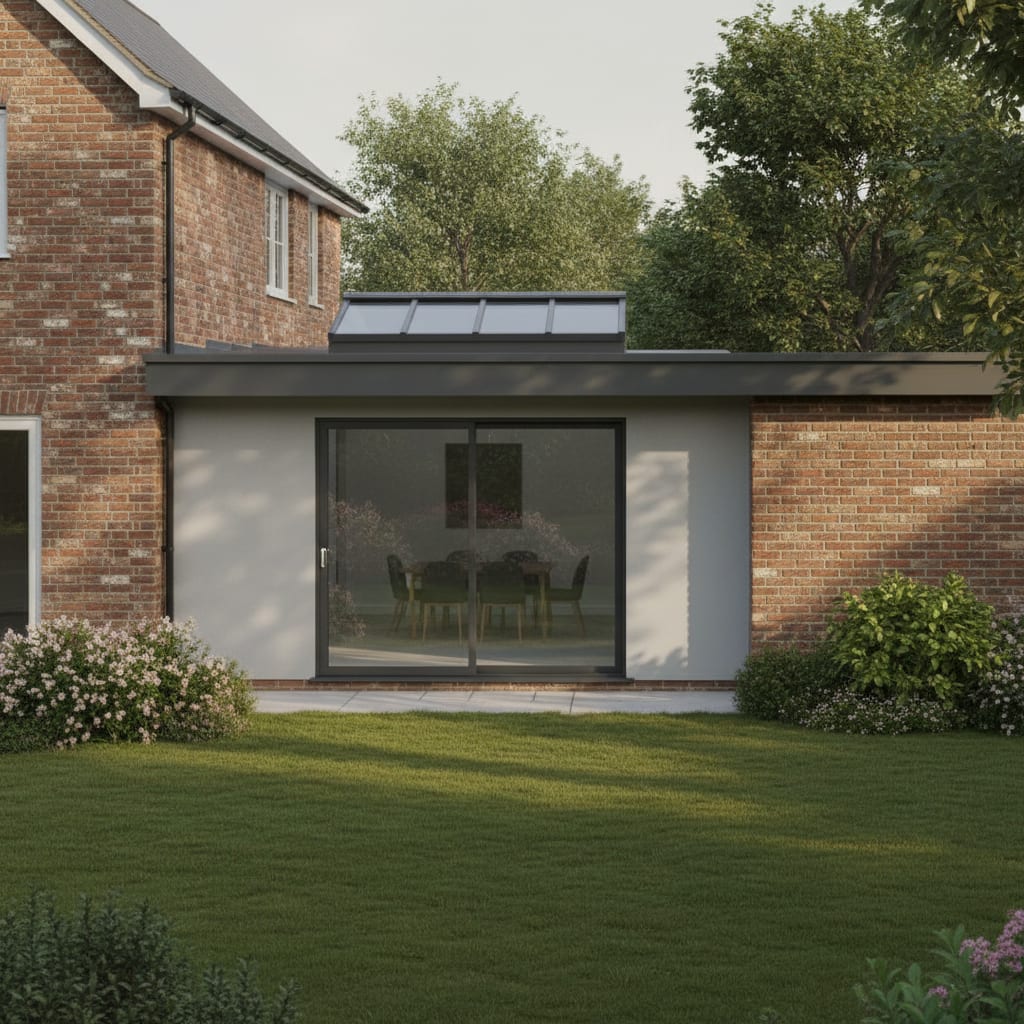
A roof lantern is a raised, multi-panelled glazed structure that sits on top of a flat roof, usually over an extension. Unlike a flat rooflight, which lies almost level with the roof, a lantern rises into a pitched or hipped shape — think of a small glazed roof of its own, sitting proud of the main roof. That raised form is what gives a lantern its presence. It floods the room below with daylight, adds a real sense of height and volume, and reads as a deliberate architectural feature rather than simply a hole in the roof.
Lanterns are built from a framework of slim glazing bars carrying double or triple-glazed sealed units. The framework can be aluminium, uPVC or timber, and the shape can range from a simple two-slope ridge lantern to a more elaborate hipped design with multiple facets. They suit flat-roof extensions of almost any size, and look equally at home over a kitchen island, a dining table or an open-plan living space. If you are weighing a lantern against a lower-profile option, our guide to roof lantern vs flat rooflight sets out the differences clearly.
Why use a skylight specialist in Cheltenham

A roof lantern is part window, part roof. It has to look beautiful from inside and stay watertight through a Gloucestershire winter, and those two demands meet at the kerb — the upstand the lantern sits on. Get the kerb height, the weatherproofing or the structural opening wrong and you end up with leaks, draughts or a frame that does not sit true. This is precisely where a specialist earns their place. We are not making a positive case against general roofers — many are excellent — but lanterns are a niche, and fitting them well, repeatedly, builds a kind of judgement that only comes from doing them all the time.
Because we focus on skylights and rooflights alone, we know how each leading lantern system behaves, how to detail the kerb for felt, EPDM, GRP or single-ply coverings, and how to set a frame dead level so the sightlines stay crisp. We survey the actual roof, talk through the look you are after with an architect’s eye, and give you a fixed written price — no surprises once we start. And being based in Cheltenham, we understand local property: the proportions of a Regency terrace, the constraints of a Cotswold-stone cottage in a conservation village, and the clean lines that suit a modern extension in Bishop’s Cleeve or Up Hatherley.
Types of roof lantern

Roof lanterns come in several shapes, and the right one depends on the size of your extension, the look you want and the period of your home.
Contemporary slim-frame lanterns
The modern favourite. Slim aluminium glazing bars carry large panes, maximising glass and minimising frame, for a clean, light-filled look. These suit contemporary extensions and open-plan kitchen-diners, and are the most popular choice we fit across Gloucestershire.
Traditional and Georgian-style lanterns
More ornate, with finials, decorative ridge detail and a finer division of panes. These sit beautifully on period and traditional homes — the kind of Regency and Victorian property Cheltenham is known for — where a starkly modern lantern might feel out of place.
Ridge and hipped lanterns
A ridge (two-slope) lantern is the classic, economical shape for rectangular extensions. A hipped lantern adds sloped ends for a more sculpted, four-sided form that catches light from every direction — ideal as a true centrepiece over a kitchen island.
Pyramid and bespoke lanterns
For square extensions, a pyramid lantern gives a neat, symmetrical four-sided slope to a central point. For unusual footprints, bespoke lanterns are made to measure. We can advise on what suits your structure at survey, and our guide to sizing a roof lantern helps you get the proportions right.
Frame materials

The frame shapes a lantern’s sightlines, its upkeep and its character. There is no single best material, only the one that fits your home.
Aluminium
The popular modern choice. Aluminium is strong, so the bars can be slim while still carrying the glass — meaning more sky and a more refined look. It will not rot, warp or rust, needs little more than an occasional clean, and can be powder-coated in almost any colour, including different shades inside and out. For most homeowners in Cheltenham and Gloucestershire, aluminium offers the best all-round balance.
uPVC
The budget-friendly option. uPVC is low-maintenance and insulates well, but its frames are bulkier, so you see chunkier bars and a little less glass. It suits projects where cost leads the decision.
Timber
The traditional choice, bringing natural warmth that suits period and Cotswold-stone homes. Timber can be painted or stained to taste and insulates naturally, but it asks for periodic repainting or treating to stay weathertight. For a deeper comparison, see our guide to aluminium vs uPVC vs timber roof lanterns.
Glazing: light, heat and Part L

The glass does more for everyday comfort than almost anything else, so it is worth getting right. A lantern is, by definition, a large area of glazing high in the room, which makes both heat loss in winter and overheating in summer real considerations.
Standard lanterns come double glazed, and for most rooms a good double-glazed unit with the right coating is the sensible baseline. Triple glazing adds a third pane and an extra insulating cavity, improving heat retention and dampening rain noise — worthwhile on very large lanterns or year-round living spaces, though it adds cost and weight. The single most useful upgrade for a sunny, south-facing room is usually a solar-control coating, which cuts the heat that builds up under the glass while still letting in plenty of light. A self-cleaning coating is also worth considering on a lantern, since the glass sits out of easy reach.
On the regulations side, the glazing has to meet the thermal standards in Part L of the Building Regulations, which sets a maximum U-value for the glazed unit. Reputable lantern systems are designed to comply, and we specify glazing that meets the current requirement as standard. We will talk through the trade-offs — light versus heat, double versus triple — for each room, and recommend the glass that genuinely suits it rather than the most expensive option.
The installation process
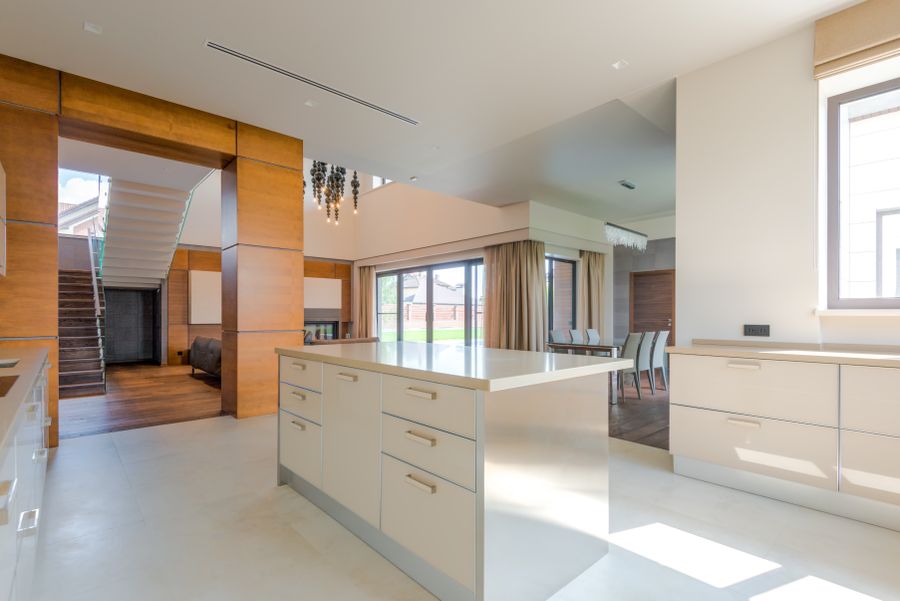
A well-run lantern installation is methodical. Here is broadly how ours go.
1. Free survey and fixed quote
We visit, measure the opening, assess the flat-roof structure and covering, and discuss the style, frame and glazing you want. You then receive a fixed written quote — the real price, not a rough guess.
2. Preparing the opening and kerb
The lantern sits on a kerb (upstand) built up from the flat roof. If your builder has formed an accurate, level kerb, it keeps things simple; if not, we form one. The kerb height and weatherproofing are detailed to suit your roof covering — felt, EPDM, GRP or single-ply — so water is shed cleanly away.
3. Fitting the frame and glazing
We set the lantern frame dead level on the kerb, fix it securely, and install the glazed units. Getting the frame true is what keeps the sightlines crisp and the seals working as they should.
4. Weatherproofing and finishing
We complete the flashing and weather seals, make good internally around the reveal, and check the whole assembly for a clean, watertight finish. We leave the site tidy and walk you through the result.
Most single-lantern installations are completed in a day or two once the opening is ready, depending on size and access. If you are replacing a tired or leaking lantern rather than fitting a new one, our pages on lantern roof replacement and the cost to replace a roof lantern cover that route in detail.
Building regulations and planning
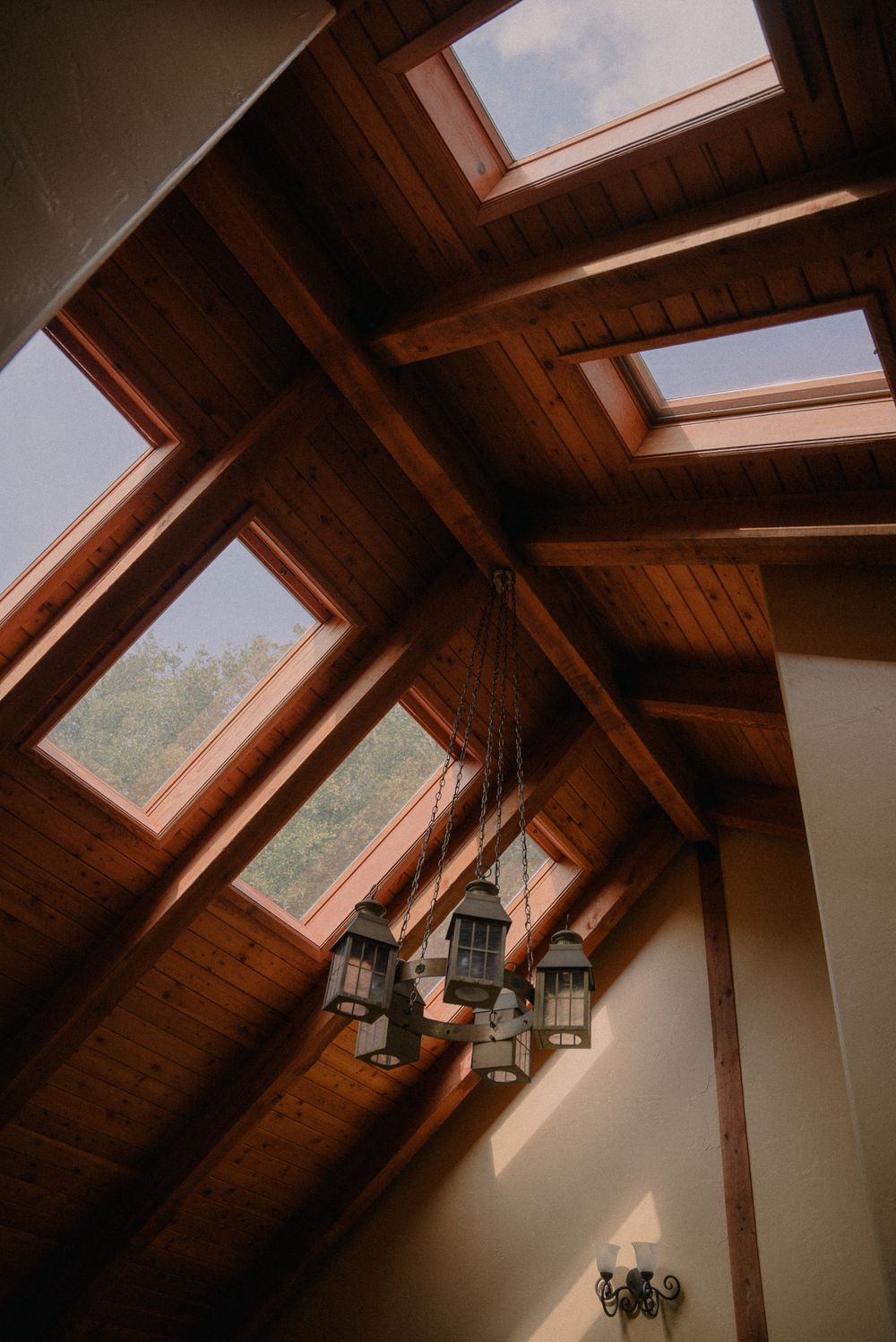
Most roof lantern installations fall under permitted development and do not need full planning permission, but there are real conditions to be aware of — and in the Cotswolds, more of them apply than in many parts of the country.
Permitted development and the 150mm rule
Under permitted development, a rooflight or lantern generally must not project more than 150mm above the existing roof plane, and must not sit above the highest part of the roof. A lantern on a flat-roof extension is usually well within this, but the rule is worth knowing. If your home has had previous extensions, some permitted development rights may already have been used up.
Conservation areas and listed buildings
This matters a great deal locally. Central Cheltenham has extensive conservation areas, and Cotswold villages around Winchcombe, Stroud, Cirencester and Tewkesbury are full of conservation designations and listed buildings. In these settings, permitted development rights can be restricted, and a lantern on a roof visible from the street may need consent. Listed buildings almost always require listed building consent for this kind of work. We are familiar with these local constraints and will flag at survey whether you are likely to need to check with the council.
Part L and Part K
Part L governs thermal performance, so the glazing must meet the required U-value. Part K covers safety, including the glass used where there is a risk of falling and, on walk-on or low-level glazing, the need for appropriately rated panes. We specify to these standards as a matter of course. As a homeowner you do not need to navigate the detail — that is our job — but it helps to know the framework your installation works within.
Indicative cost of roof lantern installation

Cost depends on size, frame material, glazing, the shape of the lantern and the state of the existing roof and kerb. As an indicative 2026 guide, a quality aluminium roof lantern, supplied and fitted, often falls somewhere in the region of £2,500 to £6,000, with larger or more elaborate lanterns — big hipped designs, premium glazing, awkward access — running higher. uPVC can come in lower; timber and bespoke designs can run higher.
These figures are a starting point only. The real price is a fixed written quote after a free survey, because no two roofs, openings or specifications are the same. For a fuller breakdown, see our pages on roof lantern cost and roof lantern cost by size. A lantern is also one of the skylight types most likely to add value and kerb appeal — our page on whether skylights add value looks at that.
Roof lantern installation across Cheltenham & Gloucestershire
We install roof lanterns throughout the county. In Cheltenham we work on everything from Regency terraces and conservation-area homes to new-build and contemporary extensions in areas like Leckhampton, Charlton Kings, Prestbury and Up Hatherley. Across Gloucestershire we cover Gloucester, Cirencester, Tewkesbury, Stroud, Bishop’s Cleeve and Winchcombe, along with the Cotswold-stone villages in between.
Local property gives us plenty to think about. A slim contemporary lantern can transform a modern kitchen extension in Bishop’s Cleeve, while a more traditional design with a finer pane division sits far more comfortably on a period home in central Cheltenham or a Cotswold cottage near Winchcombe. We tailor the style, frame and glazing to the building and its setting — see our areas we cover page for more on where we work.
Why choose Aspect Skylights Cheltenham
We are skylight and rooflight specialists, not a general trade fitting lanterns on the side. That focus shows in the quality of the kerb detailing, the precision of the frame, the watertightness of the finish and the honesty of the advice. We install new lanterns and carry out full replacements for both homes and commercial premises across Cheltenham, Gloucestershire and the Cotswolds. Every job comes with a free survey, a fixed written quote, and our written guarantee on our workmanship.
We will give you a straight, architect’s-eye recommendation on what suits your roof and your home — the right shape, the right frame, the right glass — without hype or upselling. To see the full range, visit our services overview, and when you are ready, get a quote for a fixed written price after a free survey.
From quote to daylight, with no surprises
Fixed quote
A clear, fixed written price — online or by phone.
Survey
A specialist confirms the right glazing spec. Flexible times.
Install
Clean, weather-tight fitting that protects your property.
Guarantee
We tidy up and back the work with a written guarantee.
Frequently asked questions
How long does it take to install a roof lantern?
Most single-lantern installations take a day or two once the opening and kerb are ready, depending on the size, shape and access. Larger or more elaborate lanterns can take longer. We give you a clear timescale with your fixed written quote after the survey.
How much does a roof lantern cost to install in Cheltenham?
As an indicative 2026 guide, a quality aluminium roof lantern supplied and fitted often falls in the region of £2,500 to £6,000, with larger or premium designs running higher. The real price is a fixed written quote after a free survey, as every roof and specification differs.
Do I need planning permission for a roof lantern?
Most roof lanterns fall under permitted development and do not need planning permission, provided they project no more than 150mm above the roof plane and sit below the ridge. In Cheltenham’s conservation areas, Cotswold villages and on listed buildings, rights can be restricted and consent may be needed. We flag this at survey.
What is the best frame material for a roof lantern?
For most homeowners, aluminium offers the best balance of slim sightlines, strength and low maintenance. uPVC suits tighter budgets, and timber suits period and Cotswold-stone homes where natural warmth matters and you are happy to maintain it. We advise on what suits your home at survey.
Will a roof lantern make my room too hot?
It need not. A solar-control glazing coating cuts the heat that builds up under the glass while still letting in plenty of daylight, which is the most useful upgrade for a sunny, south-facing room. We recommend the right glazing for each room rather than a one-size-fits-all unit.
Can you fit a roof lantern on a conservation-area property?
Often yes, but conservation areas and listed buildings carry extra restrictions, which are common across central Cheltenham and the Cotswolds. The lantern may need to be sited where it is not visible from the street, or may require consent. We are familiar with local constraints and will advise during the survey.
Do you replace old or leaking roof lanterns?
Yes. As well as new installations we carry out full lantern replacements, swapping a tired, draughty or leaking lantern for a modern, well-glazed and properly weatherproofed unit. We do replacements rather than patch repairs. See our lantern roof replacement page for detail.
Do you guarantee your roof lantern installations?
Yes. Every installation comes with our written guarantee on our workmanship, alongside a free survey and a fixed written quote. We are skylight specialists, so the kerb detailing, frame fitting and weatherproofing are done to a high, consistent standard.
Helpful reading on this
Costs, comparisons and answers to the questions we’re asked most.
Common questions about roof lantern installation
Roof Lantern Installation across Gloucestershire
Local roof lantern installation pages for the towns we cover most.
Other skylight services
Ready to bring the daylight in?
Tell us about your project and we’ll send a clear, fixed written quote — no pressure, no surprises.
- Fixed written price before any work starts
- No pressure, no obligation, no sales calls
- Flexible survey times that suit you
- A reply within one working day