Part of our Energy Efficient Skylight Installation service
Triple Glazed Rooflights: Complete Guide in Cheltenham
How triple glazing works in a rooflight, when the extra pane is worth it, the thermal and acoustic benefits, and how it cuts heat loss and condensation in a Cheltenham home.

A triple glazed rooflight uses three panes of glass with two insulating cavities, instead of the two panes of a standard double-glazed unit. The extra pane cuts heat loss, reduces condensation and dampens noise — making triple glazing the highest-performing mainstream choice for overhead glazing. For a large rooflight, a north-facing room, or any Cheltenham home where comfort and running costs matter, the upgrade is often well worth it.
At Aspect Skylights we install and replace rooflights with double or triple glazing across Cheltenham and Gloucestershire, and we are always honest about when the extra pane earns its keep and when double glazing is plenty. This guide explains how triple glazing works, the real-world benefits, where it makes the biggest difference, and what to expect on cost.
What is a triple glazed rooflight?
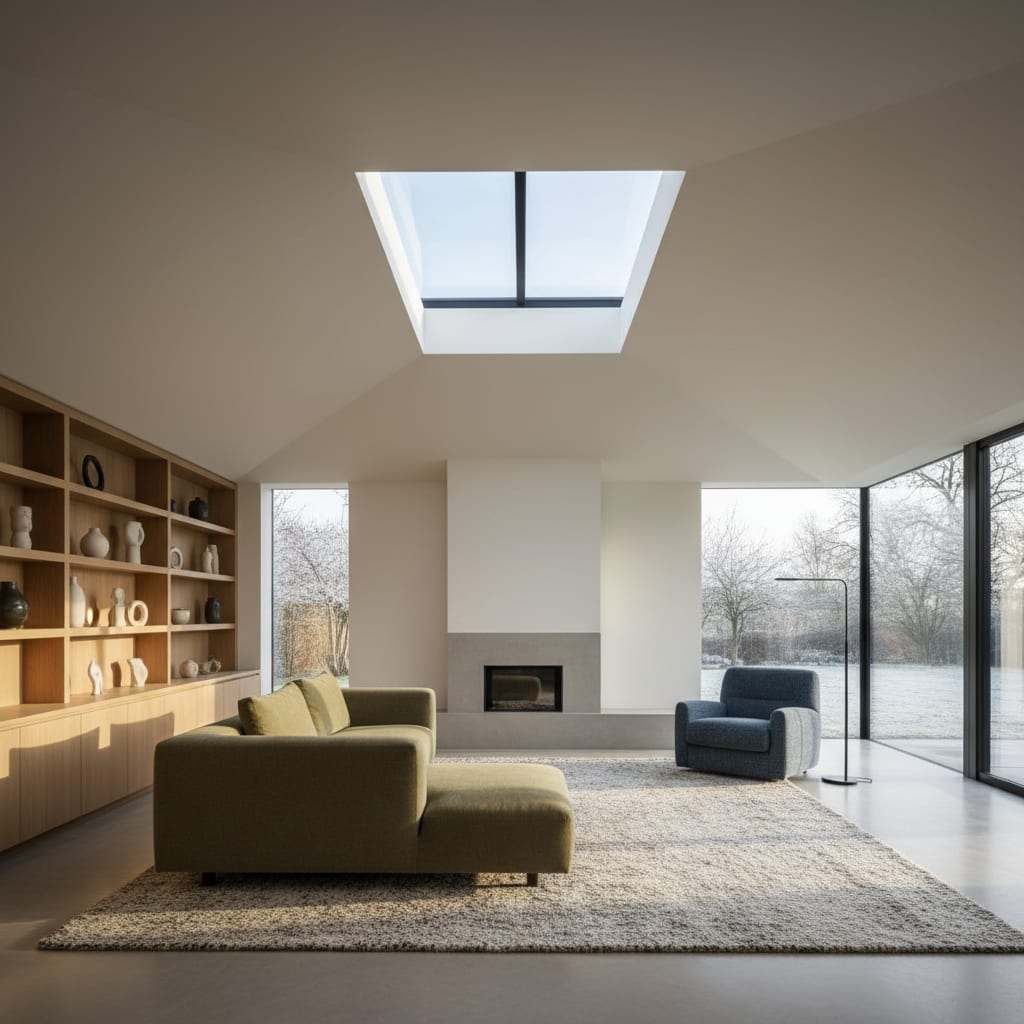
A sealed glazing unit is made of panes of glass separated by spacer bars, with the gaps filled with an insulating gas such as argon. A double-glazed unit has two panes and one cavity. A triple-glazed unit has three panes and two cavities. Overhead, where a rooflight faces the open sky and loses heat readily, that second insulating cavity makes a measurable difference to how warm the glass feels and how much heat the room retains.
The panes are toughened or laminated for safety, and the unit can carry the same coatings — solar-control, low-emissivity, self-cleaning — as a double-glazed unit. Triple glazing is simply the highest-insulation build-up available for a standard rooflight.
How triple glazing performs: U-values explained

The thermal performance of glazing is measured by its U-value — the lower the figure, the less heat escapes. As a rough guide:
- Older single glazing: a U-value around 5.0 or higher — very poor, loses a lot of heat.
- Modern double glazing: typically around 1.1–1.6 for a good rooflight — a big improvement.
- Triple glazing: typically around 0.7–1.0 — the best mainstream performance.
The exact figures depend on the unit, the gas fill and the coatings, but the pattern is clear: triple glazing meaningfully outperforms double, which in turn vastly outperforms the old single-glazed rooflights many people are replacing. Our energy-efficient skylight installation page goes deeper into the thermal side.
The real-world benefits of a triple glazed rooflight

Lower heat loss and running costs
A rooflight is a window in the roof, and the roof is where heat naturally rises and escapes. Triple glazing keeps more of that heat inside, which can make a noticeable difference to comfort and, over time, to heating bills — particularly on a large glazed area or a room used a lot.
Warmer glass, far less condensation
Condensation forms when warm, moist air meets a cold surface. Because the inner pane of a triple-glazed unit stays warmer than that of a double-glazed one, it is markedly less prone to misting up on cold Cotswold mornings. For a kitchen, bathroom or any humid room, that is a genuine everyday benefit.
Quieter rooms
The extra pane and cavity dampen sound, taking the edge off the drumming of heavy rain or hail on a large overhead pane. In an exposed location, or under a flight path, the acoustic improvement is welcome.
A more comfortable space year-round
Warmer in winter, and with solar-control coatings cooler in summer, a well-specified triple-glazed rooflight removes the cold-spot feeling that older glazing can create beneath it.
When is triple glazing worth it?
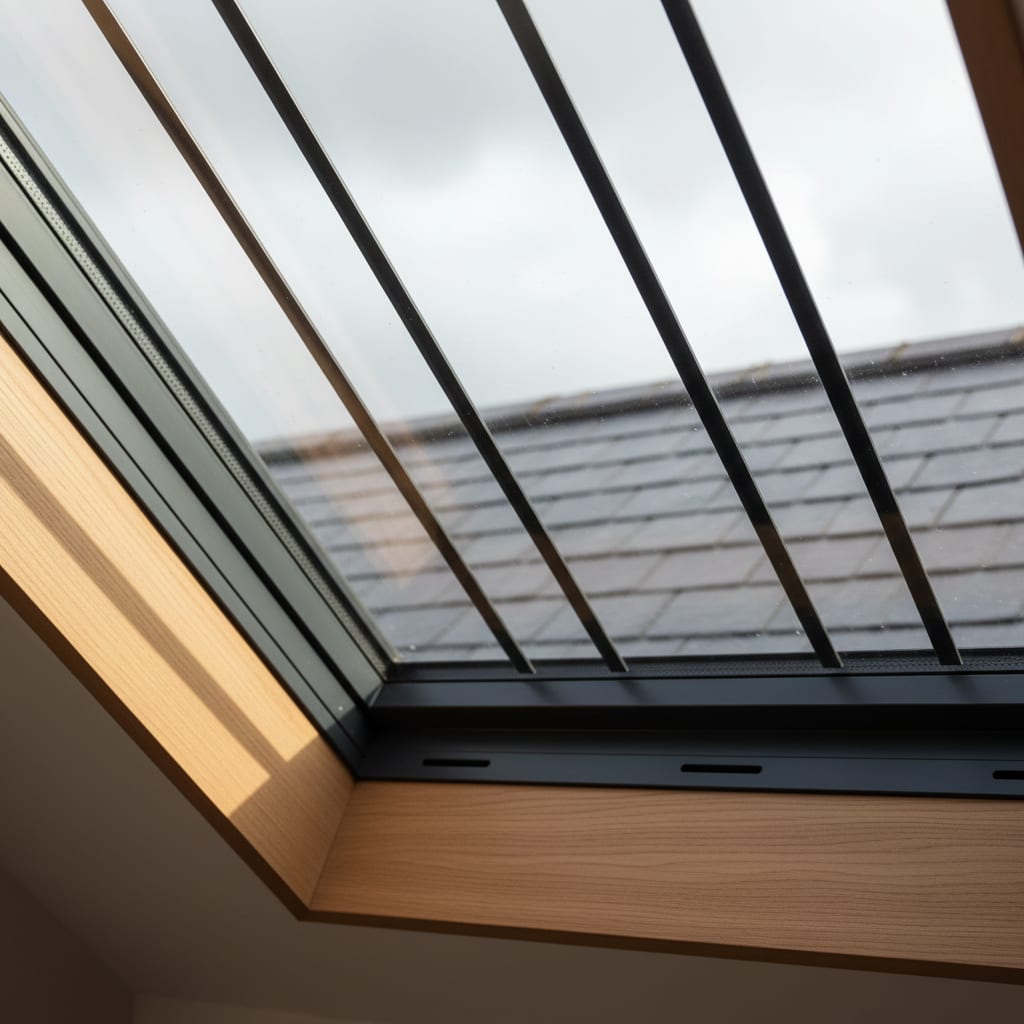
Triple glazing is not automatically the right answer for every rooflight. It costs more and weighs more, so we recommend it where it genuinely pays off:
- Large rooflights and lanterns, where the bigger glazed area means more potential heat loss to save.
- North-facing rooms that run cooler and benefit from holding every bit of warmth.
- Highly insulated extensions built to a high standard, where you want the glazing to match the rest of the fabric.
- Rooms prone to condensation, such as kitchens and bathrooms.
- Exposed roofs in the higher Cotswold villages, where weather and noise are factors.
For a small rooflight in a sheltered, well-used room, a good double-glazed unit is often the more sensible choice. We will always give you a straight recommendation rather than upsell glazing you do not need.
Things to weigh up

Triple glazing brings a couple of trade-offs worth knowing. The unit is heavier, so the frame and, on a lantern, the structure need to suit it — something we check at survey. It also costs more than double glazing. And the gain over modern double glazing, while real, is more incremental than the leap from single to double. For the right room, it is well worth it; for the wrong one, the money is better spent elsewhere. Honest advice on that balance is part of our survey.
Indicative cost of a triple glazed rooflight

As a rough 2026 guide, triple glazing typically adds a premium over the equivalent double-glazed unit rather than being a separate product:
- Triple-glazing upgrade on a fixed rooflight: roughly £250–£700 over the double-glazed price, depending on size.
- Triple-glazed fixed flat rooflight, supplied and fitted: from around £1,500–£3,500+ depending on size and coatings.
- Triple-glazed roof lantern: from around £3,500–£7,000+ depending on size and configuration.
These are indicative figures only. The size, coatings, frame and access all affect the price, and every job is confirmed with a fixed written quote after a free survey.
A local note for Cheltenham and Gloucestershire

Gloucestershire winters and exposed Cotswold ridgelines make triple glazing a sensible upgrade on larger rooflights and lanterns here, where keeping warmth in and condensation down genuinely improves day-to-day comfort. On Cheltenham’s well-insulated new extensions and energy-conscious renovations, triple-glazed rooflights help the overhead glass match the performance of the walls and floor, so the room feels consistent rather than letting heat leak through the roof. For homes replacing a single-glazed rooflight from decades ago, even double glazing is transformative — triple simply takes it further.
Next steps

If you are planning a large rooflight, a north-facing room, or a high-performance extension, triple glazing is well worth discussing. We will assess the room, orientation and structure, advise honestly on whether double or triple makes sense for you, and give you a clear fixed written quote either way.
Read our energy-efficient skylight installation guide for the wider thermal picture, see how triple glazing applies to a roof lantern or curved glass rooflight, then get a quote. We will recommend the right glazing and give you a fixed written quote after a free survey, backed by our written guarantee on our workmanship.
From quote to daylight, with no surprises
Fixed quote
A clear, fixed written price — online or by phone.
Survey
A specialist confirms the right glazing spec. Flexible times.
Install
Clean, weather-tight fitting that protects your property.
Guarantee
We tidy up and back the work with a written guarantee.
Frequently asked questions
What is a triple glazed rooflight?
A triple glazed rooflight uses three panes of glass with two insulating cavities, rather than the two panes of a standard double-glazed unit. The extra pane and cavity cut heat loss, reduce condensation and dampen noise, giving the highest mainstream thermal performance.
Is triple glazing worth it for a rooflight?
It is worth it on large rooflights and lanterns, north-facing or condensation-prone rooms, and highly insulated extensions, where the extra insulation pays off in comfort and lower heat loss. For a small rooflight in a sheltered room, good double glazing is often enough. We advise honestly at survey.
How much warmer is a triple glazed rooflight?
A triple-glazed unit typically achieves a U-value around 0.7 to 1.0, against roughly 1.1 to 1.6 for good double glazing, so it loses noticeably less heat. The inner pane also stays warmer, which makes the room more comfortable and far less prone to condensation.
Does triple glazing reduce condensation on a rooflight?
Yes. Because the inner pane stays warmer than on a double-glazed unit, it is markedly less likely to mist up when warm, moist air meets it. That is a real everyday benefit in kitchens, bathrooms and other humid rooms.
How much does a triple glazed rooflight cost?
Triple glazing usually adds a premium over the double-glazed price, roughly £250 to £700 depending on size, with complete triple-glazed fixed rooflights from around £1,500 to £3,500 or more. The exact price is confirmed with a fixed written quote after a free survey.
Is triple glazing too heavy for a rooflight?
A triple-glazed unit is heavier than double, so the frame and, on a lantern, the supporting structure need to suit it. We check this at survey and specify the right frame, so weight is not a problem when the installation is designed for it.
Helpful reading on this
Costs, comparisons and answers to the questions we’re asked most.
Other skylight services
Ready to bring the daylight in?
Tell us about your project and we’ll send a clear, fixed written quote — no pressure, no surprises.
- Fixed written price before any work starts
- No pressure, no obligation, no sales calls
- Flexible survey times that suit you
- A reply within one working day