How to Choose the Right Rooflight: Complete Cheltenham Buyers Guide
Everything you need to weigh up when choosing a rooflight — type, roof, size, glazing, ventilation and budget — in one plain-English buyers guide.
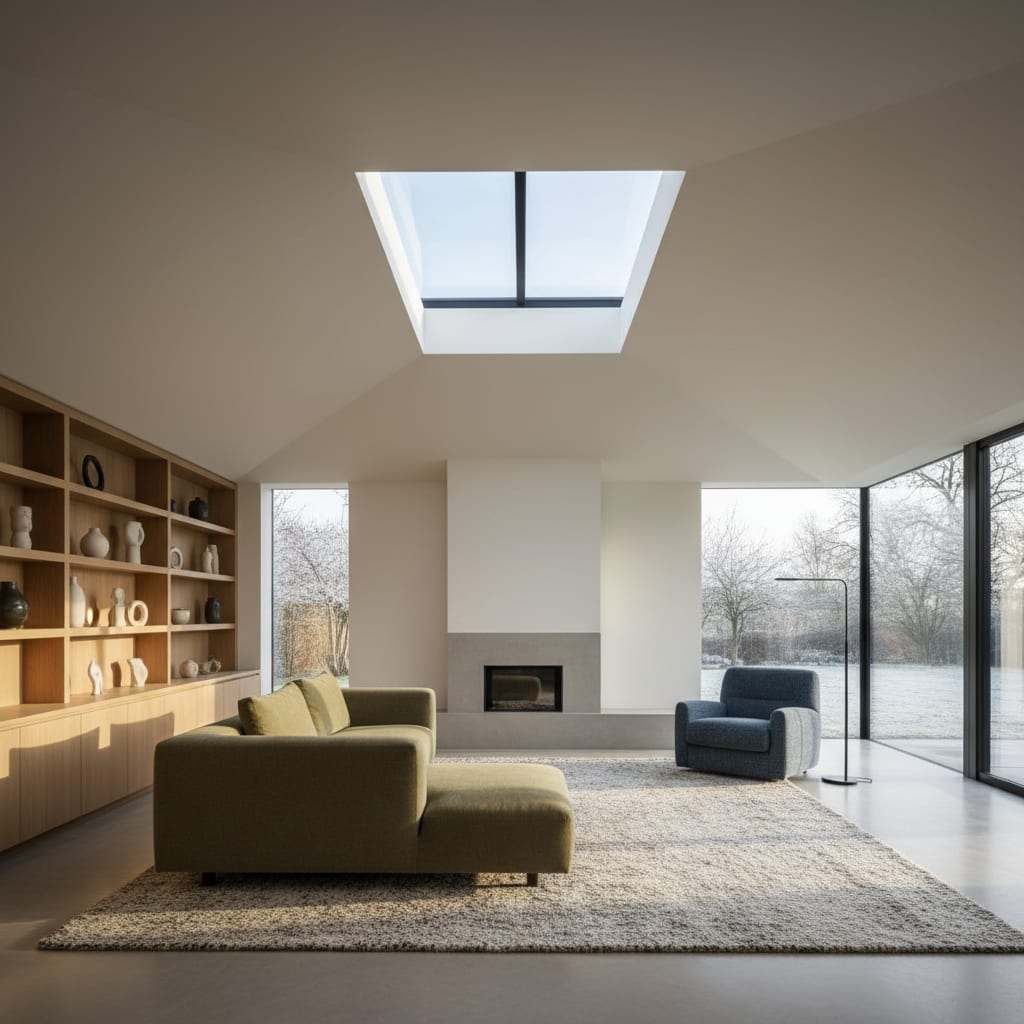
Choosing the right rooflight comes down to six questions: what type suits the look, what roof you have, how much light you want, what glazing fits the room, whether you need ventilation, and your budget. Work through these and the right rooflight becomes clear. This complete buyers guide walks you through each, and a free survey confirms the final choice.
“Rooflight” covers everything from a modest roof window to a glazed lantern, so the choice can feel overwhelming. Break it into the decisions that actually matter and it becomes straightforward. Here is how to choose with confidence.
Choosing for a Cheltenham or Cotswold home

The right rooflight is partly about the room and partly about the kind of home you have, and Cheltenham’s housing varies enormously. A Regency townhouse in Montpellier or Lansdown, a post-war semi in Up Hatherley, a stone cottage in a Cotswold village out towards Winchcombe, and a 2000s family home with a loft conversion all call for slightly different answers. Period and conservation-area homes often suit a low-profile or conservation-style rooflight that keeps the right external look, while a modern rear extension can carry a bold contemporary lantern or a run of slim flat rooflights with no such constraint. Knowing where your home sits on that spectrum narrows the choice before you even get to glazing and ventilation.
Local light shapes the decision just as much. North-facing rooms — very common on Cheltenham’s south-facing streets and in many a north-set Cotswold living room — want generous, clear glazing to make the most of the soft daylight through a dull Gloucestershire winter. South and west-facing extensions in the sunnier villages want solar-control glass to stay comfortable on a bright summer afternoon. The same product can be the right or wrong choice depending purely on which way the roof faces, which is exactly why we weigh orientation so carefully when we advise.
1. Choose the type that suits the look
The first decision is the kind of rooflight:
- Flat rooflight — a clean, contemporary pane for a flat roof, slim and understated. See flat-roof skylight installation.
- Roof lantern — a raised, faceted feature that lifts the ceiling and makes a statement. See roof lantern installation.
- Roof window — a VELUX-style window for a pitched or loft roof. See VELUX window installation.
- Walk-on rooflight — structural glass for a terrace or patio above a room.
The look you want for the room usually narrows this quickly.
2. Match it to your roof
Your roof type often dictates the options:
- Flat roof suits flat rooflights, lanterns and opening rooflights on a raised kerb.
- Pitched roof suits roof windows and conservation rooflights set into the slope. See pitched-roof skylight installation.
- Loft conversion typically uses roof windows, often a row or pair. See loft conversion skylight installation.
A free survey confirms what your roof and structure can take.
3. Decide how much light you want
As a rule of thumb, glazing of around 15–25% of the room’s floor area gives a bright result — lower for a gentle lift, higher for a sun-room feel. That tells you the size and number of rooflights to aim for. More glazing means more light, balanced against heat and structure.
4. Pick the right glazing
Glazing makes a big difference to comfort:
- Double glazing is the sensible baseline for most rooms.
- Solar-control glass tames heat on south and west-facing roofs without dimming the light.
- Triple glazing adds insulation and noise reduction on large glazed areas.
- Self-cleaning glass helps on rooflights you cannot easily reach.
- High-transmission or low-iron glass maximises soft light in north-facing rooms.
Match the glass to the room’s orientation and use rather than over-specifying everywhere.
5. Consider ventilation

Decide whether the rooflight needs to open:
- Fixed is simplest and most economical — ideal where you only want light.
- Manual opening suits windows within reach.
- Electric or solar opening gives control for out-of-reach panes, with solar avoiding wiring and often adding a rain sensor.
Kitchens and bathrooms usually benefit from an opening unit; hallways and living rooms often do not.
6. Set your budget realistically
Rooflights vary widely in price by type, size, glazing and operation. A small fixed roof window is the most economical; a large lantern or walk-on rooflight sits at the top. Knowing roughly where your project falls helps you prioritise — spending on glazing where it earns its keep, and keeping it simple elsewhere.
Putting it together
For a typical flat-roof kitchen extension, the answer is often one or two fixed flat rooflights, or a lantern if you want a feature, with solar-control double glazing on a sunny aspect. For a loft, it is usually roof windows, opening where you want air. For a dark hallway, a fixed rooflight over the stairwell. The pattern is always the same: match the rooflight to the room, the roof and how you live.
What it costs and how to budget
As an indicative guide for 2026, a small fixed roof window into a loft or pitched roof is the most economical option, often in the region of £800 to £2,000 supplied and installed, while a single quality flat rooflight on an existing kerb more commonly sits around £1,200 to £2,500. A roof lantern over a kitchen extension typically falls in the £3,000 to £6,000 range and upward for the larger spans, and walk-on glass or electric opening units carry a further premium. These are ballpark figures to help you plan rather than a quote — size, glazing, operation and the roof itself all move the number. The sensible approach is to spend on glazing where it earns its keep, such as solar-control glass on a sunny Cotswold aspect or extra insulation in a cold north-facing room, and keep it simple where you only want light. The accurate price always comes in your fixed written quote after a free survey.
Why a survey settles it
A buyers guide gets you most of the way, but every roof and room is different. A free survey is where the choice is confirmed: we assess the roof and structure, talk through the look and light you want, recommend the right type, size and glazing, and give you a fixed written quote. Our services page shows the full range we install.
Our honest recommendation
Work through the six questions and you will know broadly what you want before we even visit. From there, the job of a free survey is to confirm it suits your roof and to give you a clear, fixed price. Choose the rooflight that fits the room and your home, install it well, and it will reward you with light and comfort for decades.
Get a quote and we will help you choose the right rooflight and give you a fixed written quote after a free survey, backed by our written guarantee on our workmanship.
From quote to daylight, with no surprises
Fixed quote
A clear, fixed written price — online or by phone.
Survey
A specialist confirms the right glazing spec. Flexible times.
Install
Clean, weather-tight fitting that protects your property.
Guarantee
We tidy up and back the work with a written guarantee.
Frequently asked questions
How do I choose the right rooflight?
Work through six questions: what type suits the look, what roof you have, how much light you want, what glazing fits the room, whether you need ventilation, and your budget. That narrows the choice quickly, and a free survey confirms the final decision.
What is the difference between a rooflight, a lantern and a roof window?
A flat rooflight is a slim pane for a flat roof, a lantern is a raised faceted feature that lifts the ceiling, and a roof window is a VELUX-style unit set into a pitched or loft roof. The right one depends on your roof and the look you want.
What glazing should I choose for a rooflight?
Double glazing is the sensible baseline. Add solar-control glass on sunny roofs to manage heat, triple glazing on large areas for insulation and noise, and high-transmission glass for north-facing rooms. Match the glass to orientation and use.
Should my rooflight open?
A fixed rooflight is simplest where you only want light. An opening unit suits rooms that need ventilation, such as kitchens and bathrooms. Electric or solar opening gives control for out-of-reach panes, with solar avoiding wiring.
Do I need a survey to choose a rooflight?
A buyers guide gets you most of the way, but every roof and room differs. A free survey confirms the choice suits your roof and structure, refines the type, size and glazing, and gives you a fixed written quote before any work begins.
Helpful reading on this
Costs, comparisons and answers to the questions we’re asked most.
Other skylight services
Ready to bring the daylight in?
Tell us about your project and we’ll send a clear, fixed written quote — no pressure, no surprises.
- Fixed written price before any work starts
- No pressure, no obligation, no sales calls
- Flexible survey times that suit you
- A reply within one working day